26 USMNT Moments, Past to Present: First Gold
Origins of the Concacaf Gold Cup and the inaugural tournament in 1991
This is 26 USMNT Moments: Past to Present, a U.S. Soccer content series that covers 26 defining moments in U.S. Men's National Team history. From inspired victories to stunning goals, and the stars and hidden heroes who made them possible, each chapter reminds us that our dreams on the pitch are worth chasing. Together, they’ve built toward the biggest moment yet: the 2026 World Cup on home soil.
The first time the U.S. hosted an international soccer tournament it produced two indelible moments.
The first: Dosa cero . 2-0. It’s arguably the most famous score in the history of the U.S. Men’s National Team. It's one the USA would love to repeat a few times during this summer’s World Cup. It’s the score the U.S. posted against Mexico in the first Gold Cup on July 5, 1991, in Los Angeles. In later years, especially due to results in Concacaf World Cup qualifying, “Dos a cero” would become a rallying cry for U.S. fans
That victory against Mexico – at the time, just the third in 26 matches against its main rival – occurred in the semifinal of the tournament. The championship game, in which the U.S. defeated Honduras in penalty kicks, marked the first international trophy won by the USMNT and came in the first major, international soccer tournament hosted by the United States.
The success of that competition helped set the stage for the USA hosting numerous major tournaments since, starting with the 1994 FIFA World Cup, this summer’s 48-team FIFA World Cup tournament, numerous Concacaf Gold Cup, the Copa America Centenario, and dozens of friendly tournaments, preseason tours, and more.
The USA’s success in 1991, particularly beating Mexico, lit a spark of belief that the U.S. could compete against the world’s top teams.
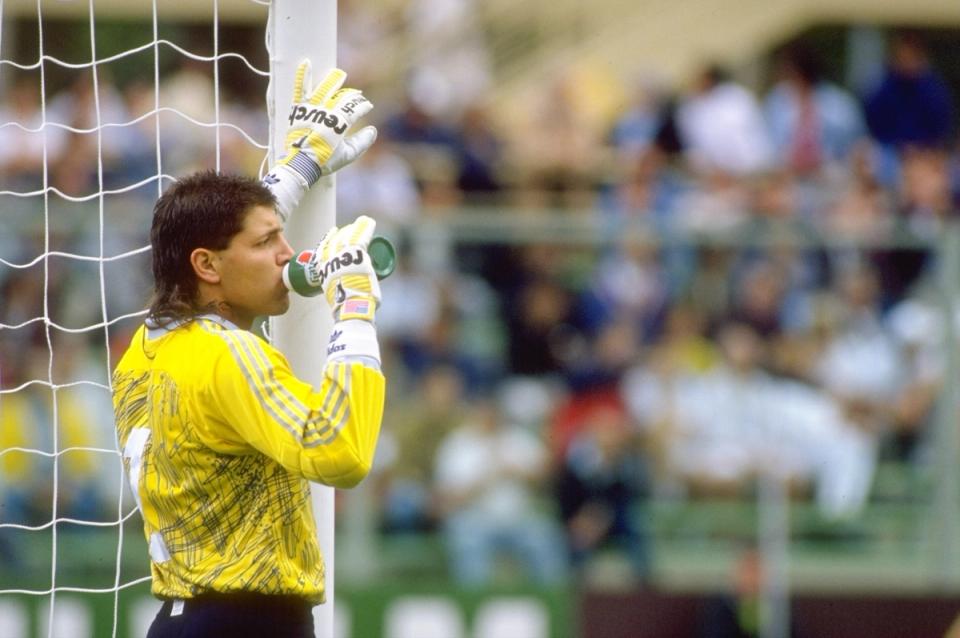
"That's a big deal for us," goalkeeper Tony Meola told ussoccer.com in 2021 of the 1991 win. "That's a big deal for our Federation. That's a big deal for the players. I don't think that should ever be understated.”
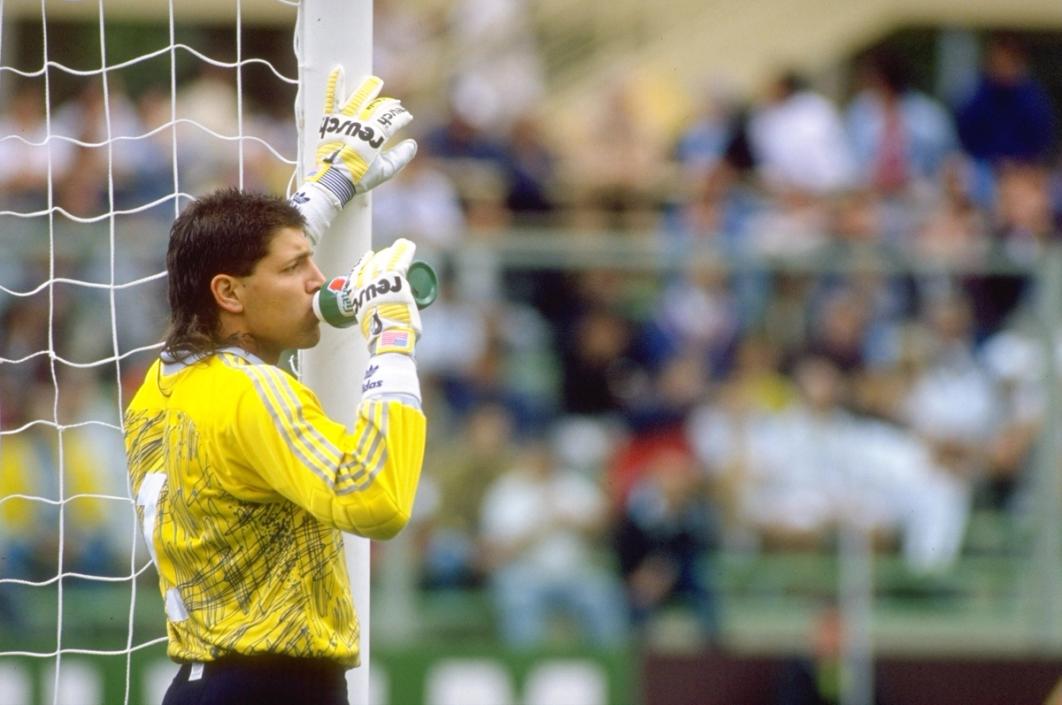
Here’s some of the story behind that foundation-building performance.
It started, oddly, with the U.S. having to hail taxis to their first match in the tournament because the team bus didn’t arrive to take them to the Rose Bowl in Pasadena, Calif. Manager Bora Milutinovic came up with the idea.
"It was just complete mayhem," said Meola, who rode in Milutinovic's taxi. "We get to the stadium, and you got to go through security. There are cars waiting to get in. If we had a nickel for every time he said to the same security guy, 'I am Bora.'"
Leonson Lewis scored in the 67th minute to give Trinidad and Tobago a 1-0 lead.
Bruce Murray tied it in the 85th. Then, Marcelo Balboa scored the winner with a close-range bicycle kick in the 87th minute.
The U.S. defeated Guatemala 3-0 in its next match on July 1 in the Rose Bowl. Murray scored in the 11th, Brian Quinn in the 46th and Eric Wynalda in the 52nd.
Two days later – yes, the matches were just two days apart – the U.S. defeated Costa Rica 3-2 on July 3, 1991, in Los Angeles Memorial Coliseum.
"They were coming one after another, every other day," Murray said. "Bora was just an incredible stickler about fitness. I can't tell you how fit that team was."
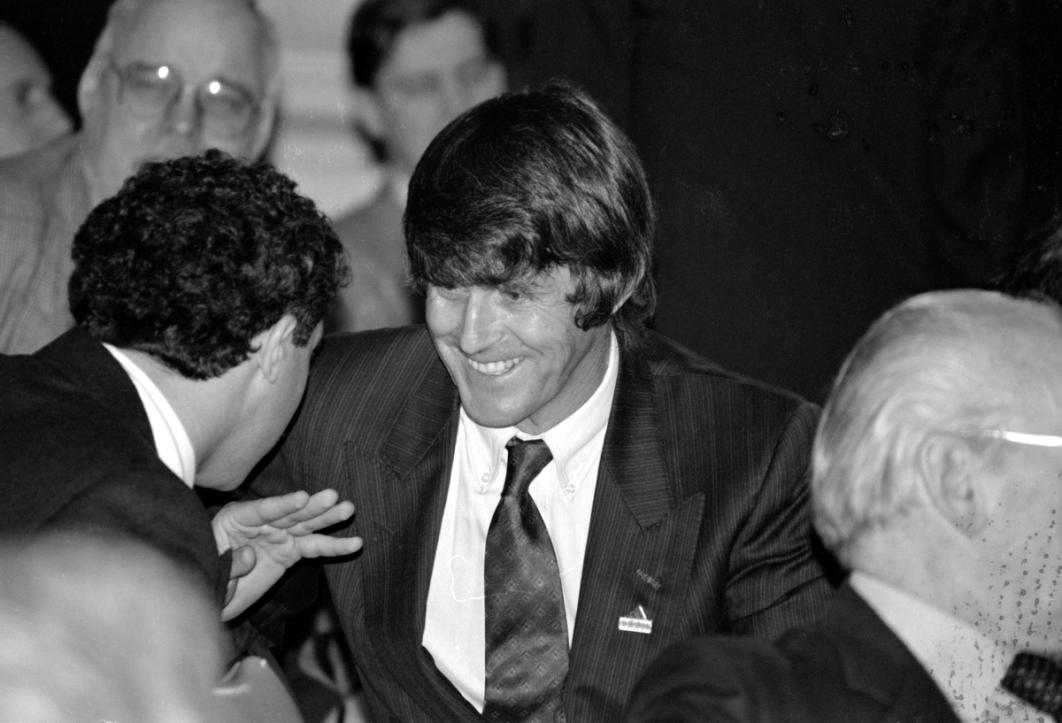
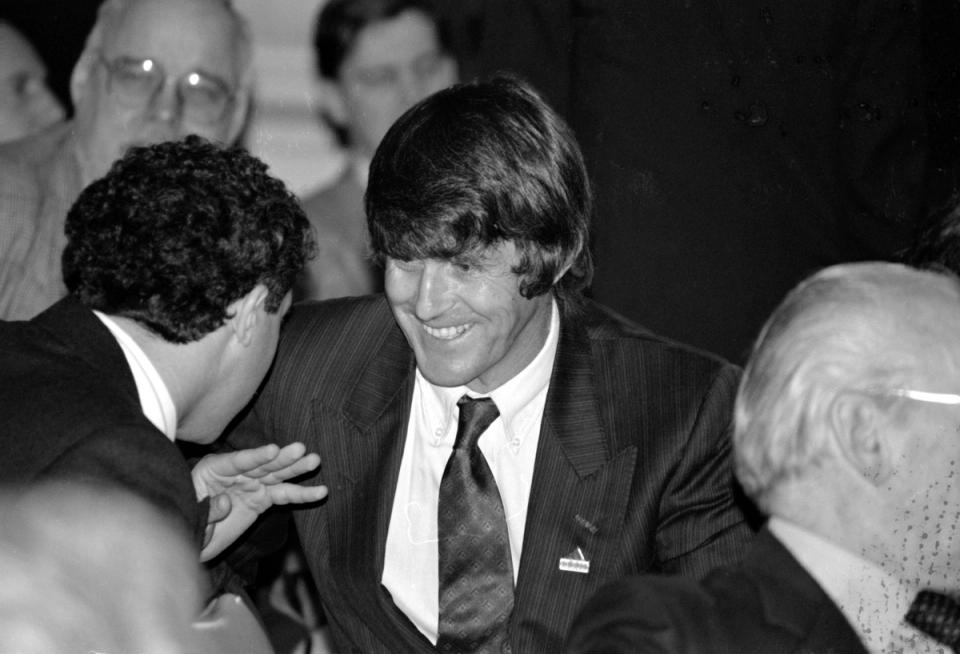
Against Los Ticos, Peter Vermes scored in the sixth minute, Hugo Perez in the 49th on a penalty kick, and the USA benefited from an own goal by Hector Marchena in the 59th minute. Costa Rica’s Carlos Arguedas scored in the 30th and Claudio Jara in the 33rd.
As the Gold Cup former features two groups of four teams each, the winners and runners-up advanced.
The final four was the USA, Mexico, Honduras and Costa Rica.
Honduras defeated Costa Rica 2-0 on July 5 to advance to the final.
The spotlight was on the second match, the U.S. vs. Mexico in the Coliseum.
"Up to that point, we're talking about dark horses and Cinderella stories,” Wynalda said. “We were always told that Mexico was better. This was the first time that Bora said, 'I looked at their roster. This is who their team is. Our team is better, and here's how we're going to beat them.' "
John Doyle scored in the 48th. Vermes scored in the 64th. Dos a cero.
The U.S. literally ran Mexico off the field. By the 70th minute, the Mexico players were gassed.
"We were knocking the ball around and they were saying ‘Ole!’ like they've done us in the past," Vermes said. “That's when you knew something changed right then and there.”
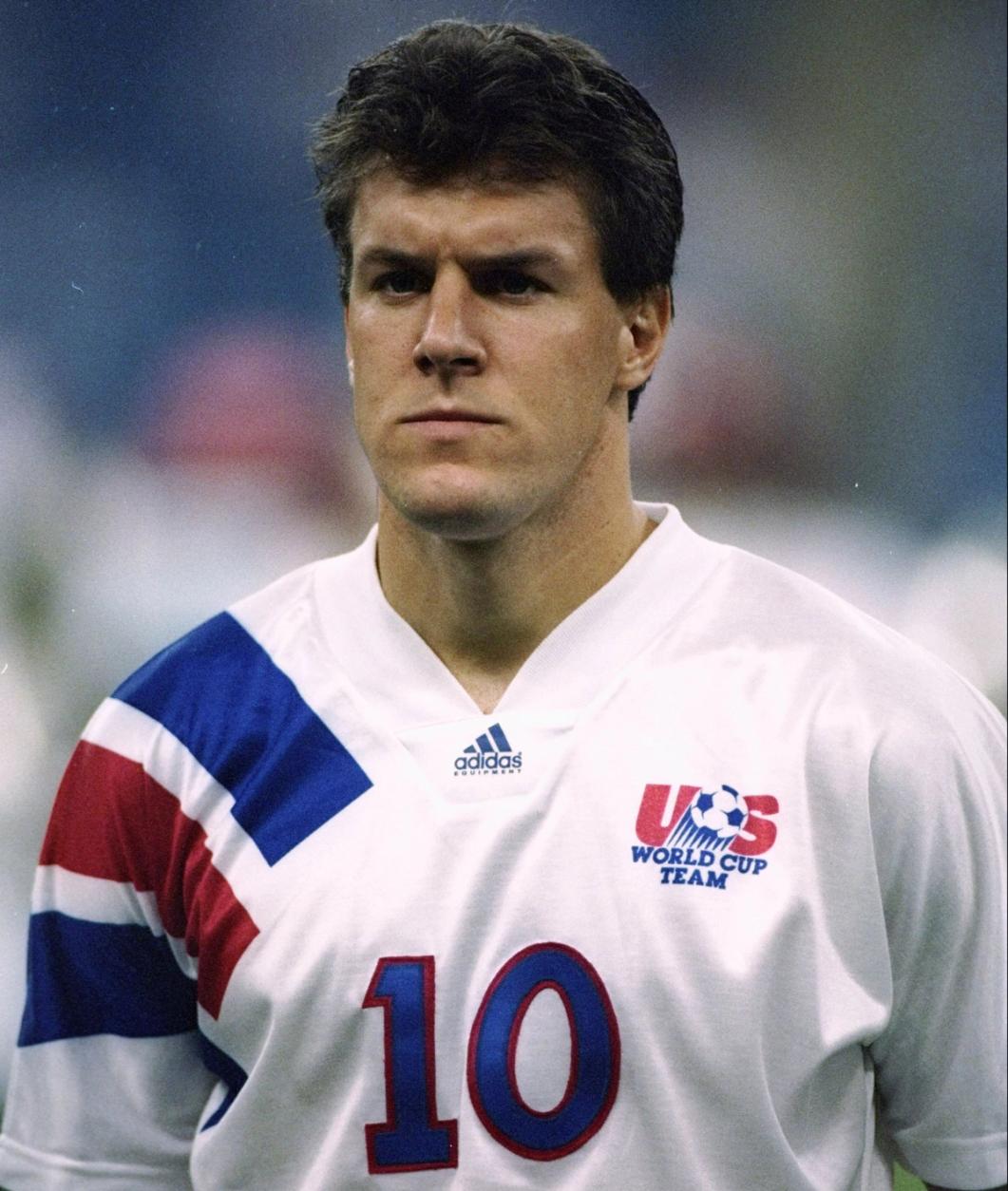
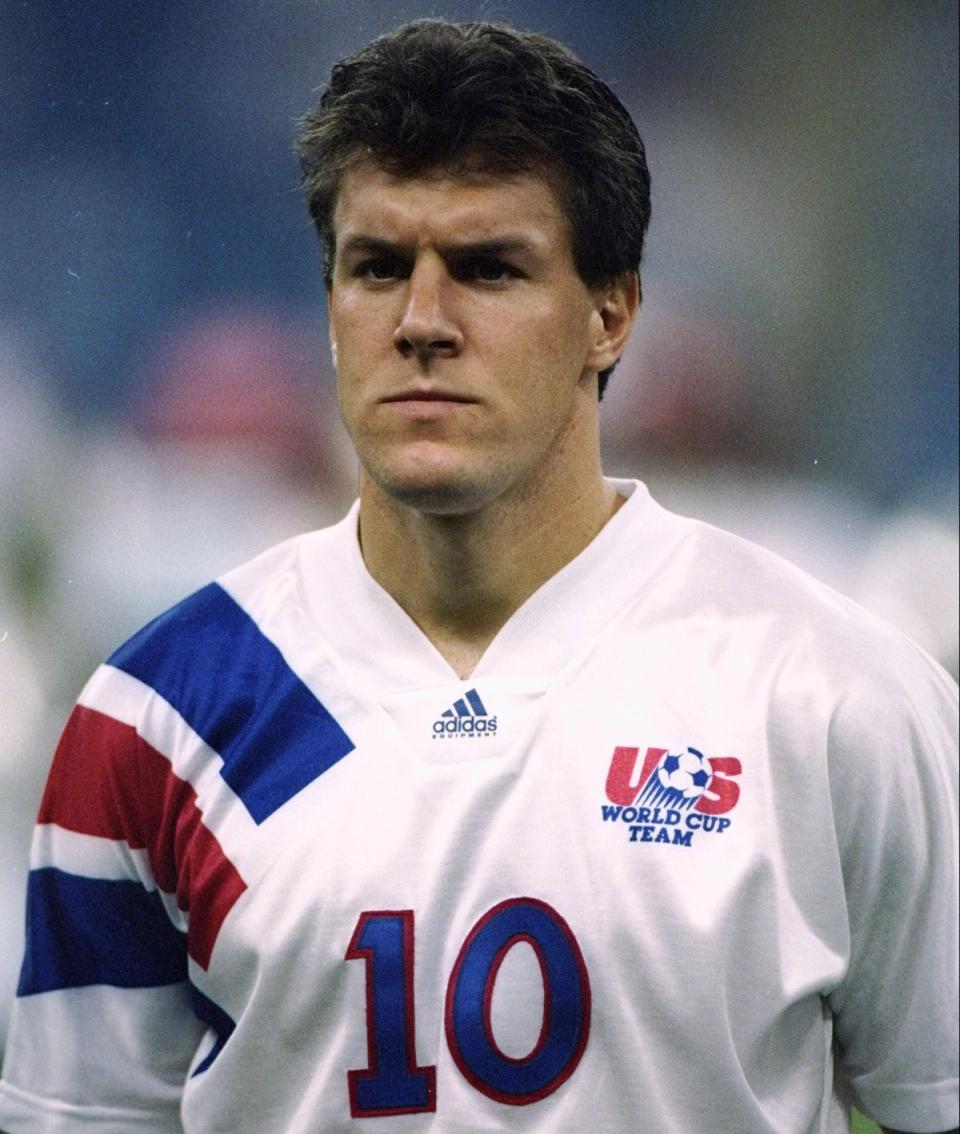
There was still one more match. Both teams were playing their fifth game in nine days. They were quite clearly...exhausted.
"It was almost like we were all playing for penalties," Murray said. "It just turned into a very slow, boring, poorly played game. Concacaf did a great job, but I wish the players got at least three or four days in between games."
Ninety minutes of regulation ended with a 0-0 score.
Thirty more minutes of extra time ended and still there were no goals.
Through the first four round of penalty kicks, Balboa and Paul Caligiuri converted for the U.S. and Meola made three heroic saves, resulting in a 2-2 score with one round of kicks left. In the fifth round, U.S. forward Ted Eck saw his attempt saved, leaving Honduras needing to convert only one more spot kick to claim the first Gold Cup crown. The U.S. received a generous reprieve however, as Daniel Zapata skied his effort over Meola’s crossbar.
After Brian Quinn started the sudden death round by having his penalty saved, the U.S. was on the verge of losing again, only to have Meola make his third save of the shootout on Luis Calix. In the seventh round, Dominic Kinnear and Honduras’ Luis Vallejo both converted to bring it level at 3-3. With tension building, in the seventh round Fernando Clavijo converted, before Juan Carlos Espinoza blasted his effort over the bar.
Game over.
The U.S. had secured its first international trophy.
"It changes you, gives you a sort of of humble confidence that you step on the field with," Vermes told ussoccer.com. "That changes everything. You get a bit of a swagger that you never had before."
Doug Roberson is the owner and reporter for Soccer with Doug, a website focused on professional soccer in Atlanta. Doug has covered the sport in the city for the past 17 years. He also has the Soccer with Doug podcast.
Follow SoccerwithDoug on social media on X, Instagram, Facebook, Bluesky, YouTube