26 USMNT Moments, Past to Present: The Miracle on Grass
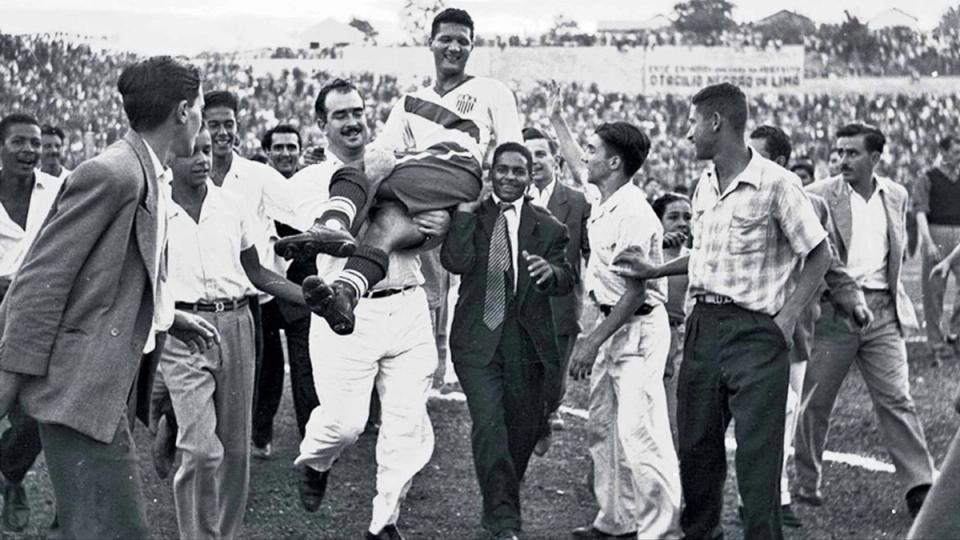
The U.S. Men’s National Team’s first big upset at the 1950 World Cup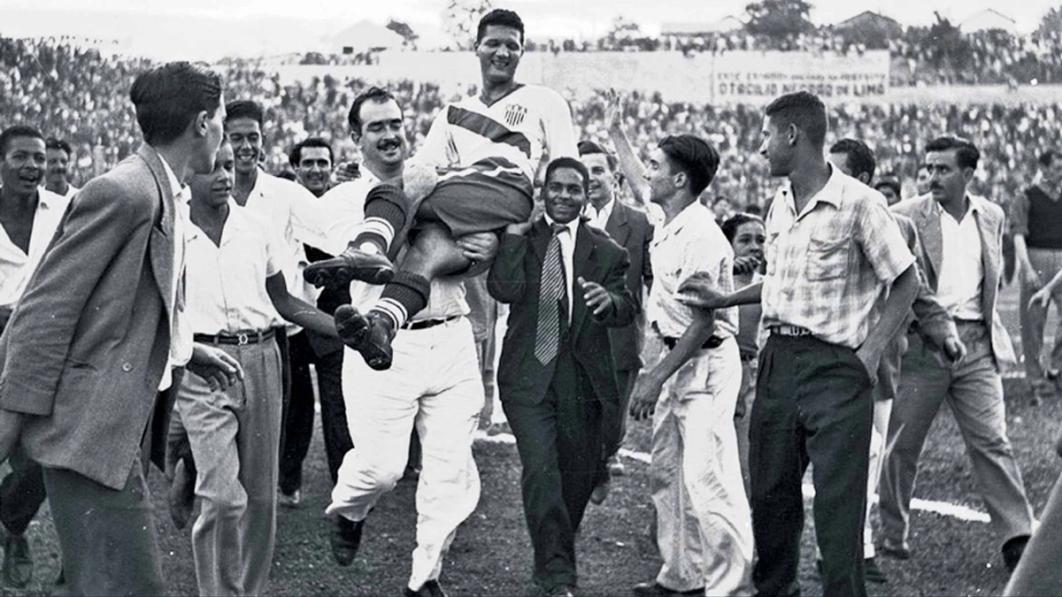
his is 26 USMNT Moments: Past to Present, a U.S. Soccer content series that covers 26 defining moments in U.S. Men's National Team history. From inspired victories to stunning goals, and the stars and hidden heroes who made them possible, each chapter reminds us that our dreams on the pitch are worth chasing. Together, they’ve built toward the biggest moment yet: the 2026 World Cup on home soil.
The U.S. Men's National Team authored the first true international sports upset in the 1950 World Cup.
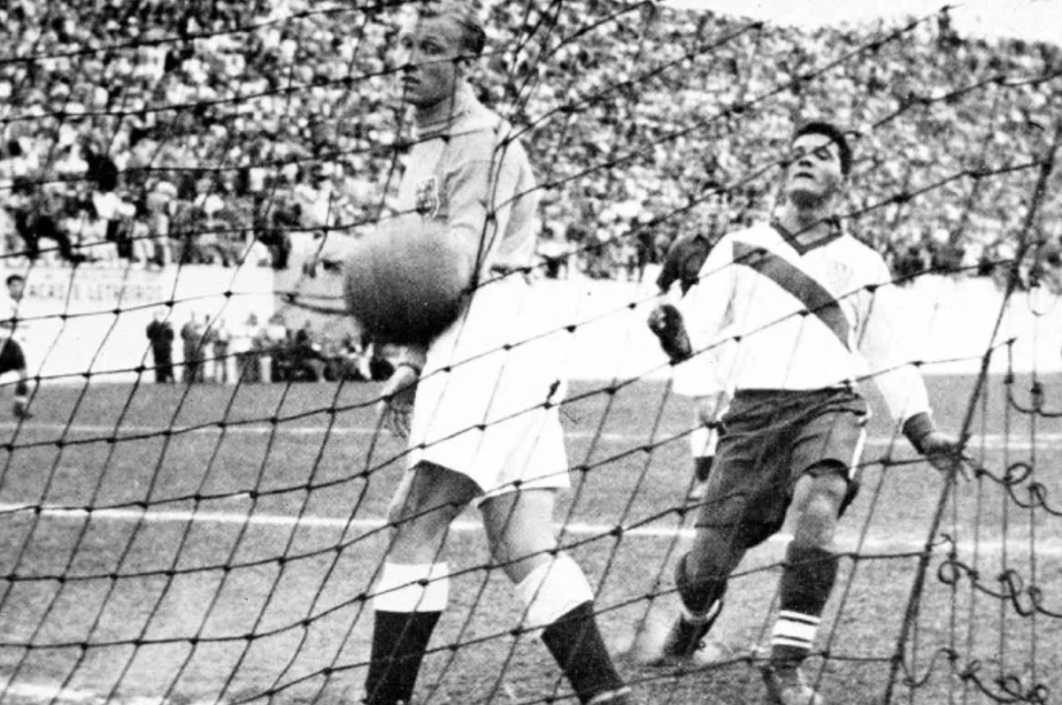
Decades before hockey’s “Miracle on Ice,” the U.S. stunned the soccer world when it defeated England, considered the world’s best team, 1-0 in a group stage match in Estádio Independência in Belo Horizonte, Brazil.
It has been dubbed by some as “The Miracle on Grass.” The incredible upset was turned into a book, “The Game of their Lives,” which became a movie, “Miracle Match.”
The gritty composition of the team – part-timers who were undertakers, dishwashers and delivery drivers – exemplified the American spirit of toughness and determination that drove the men’s team in the 1990s and early 2000s.
The U.S. really wasn’t even a team before the World Cup.
It was almost a pick-up group formed from different clubs, mostly around Boston, New York, Chicago, Philadelphia and St. Louis. Remarkably, the team practiced just once before the World Cup. Three of the players, including Joe Gaetjens, who scored the goal against England, weren’t even American citizens.
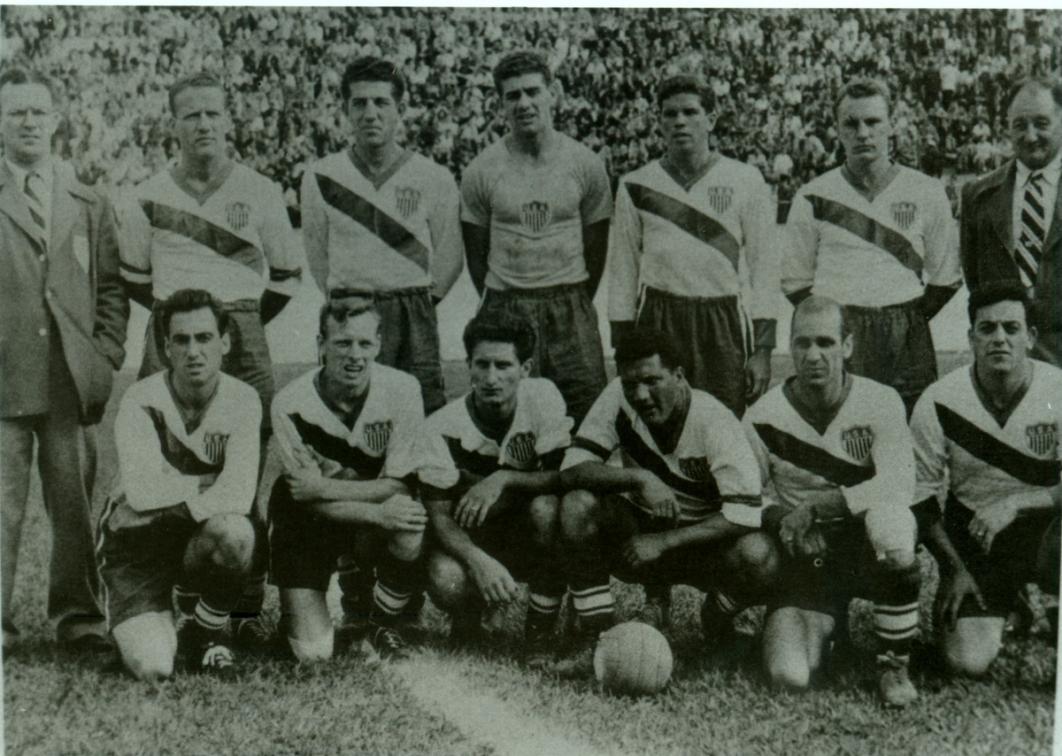
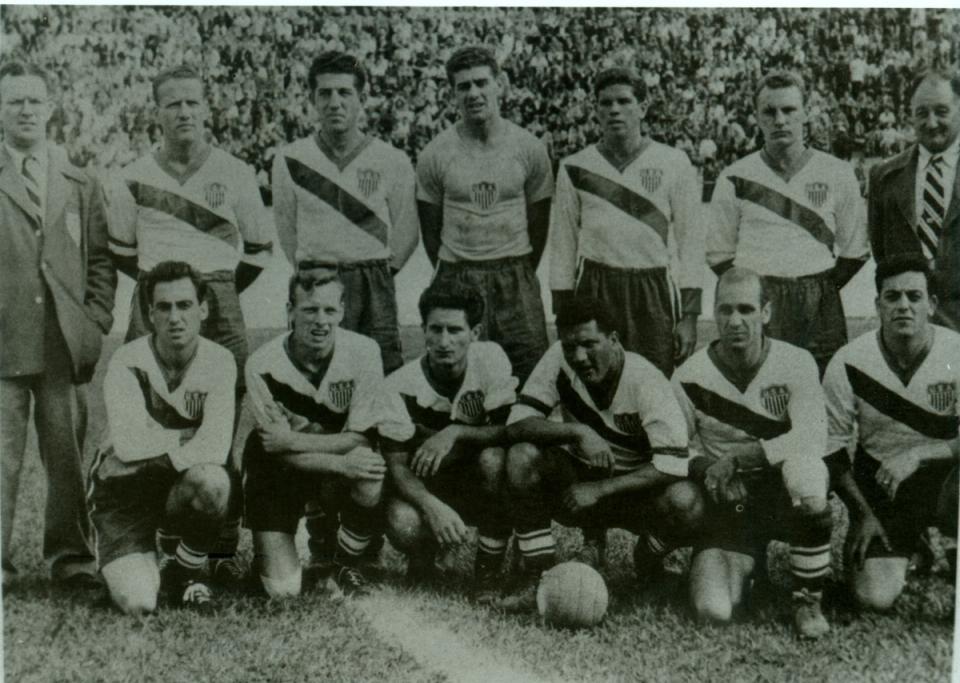
Gaetjens was a Haitian immigrant, dishwasher and soccer player. Although he wasn’t an American citizen, he was allowed to represent the Stars and Stripes. He was a local star for Brookhattan FC in the American Soccer League (ASL), a small-town hero in a city full of big dreams. But no one outside of New York City knew he was about to be part of soccer history.
Entering the fourth edition of the FIFA World Cup, the U.S. had lost its previous seven international matches 35-8.
England, by contrast, was a powerhouse, posting a 23-4-3 record since World War II. The Three Lions were the bettor’s favorite to win the tournament. The U.S. odds were heavy underdogs; the odds of winning were 500-to-1. The Miracle on Ice team had odds of 1000-to-1 to win a gold medal.
"We have no chance," U.S. men’s soccer coach Bill Jeffrey was quoted as saying in “The Game of Their Lives.”
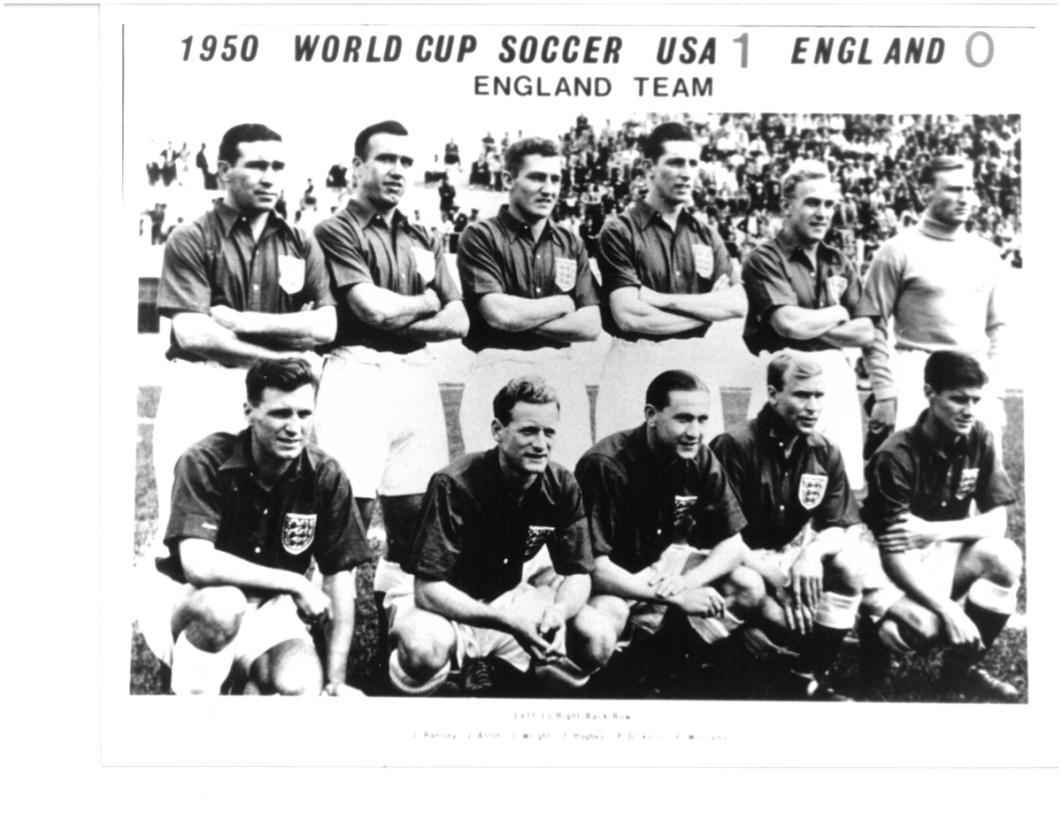
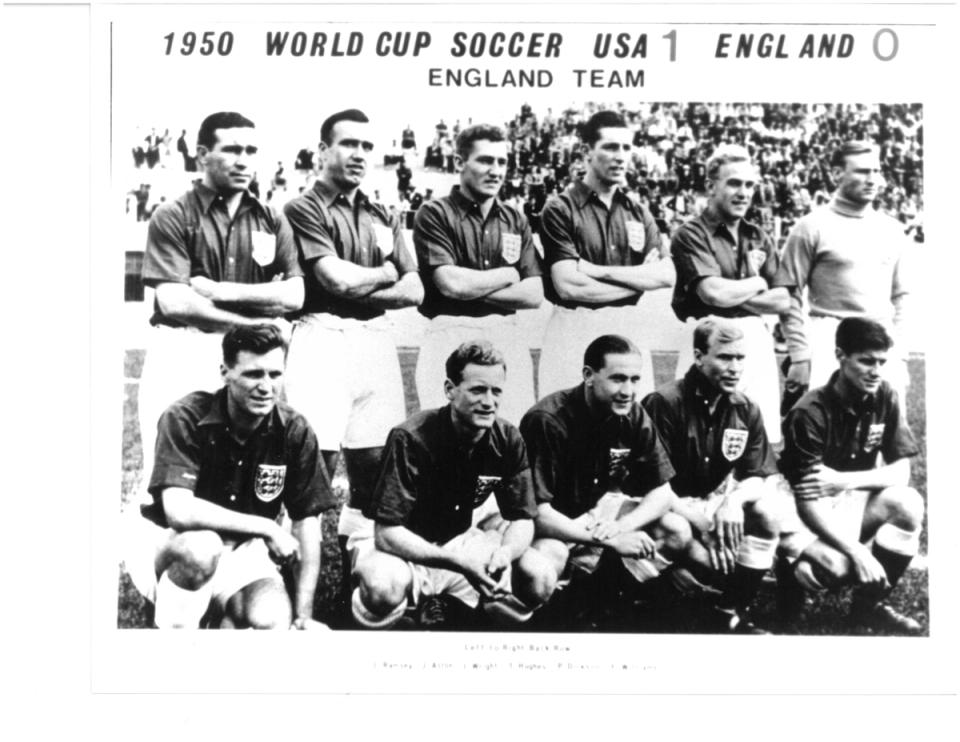
The two teams were drawn into a group that included Chile and Spain.
The U.S. lost its first match to Spain, 3-1. England defeated Chile 2-0 in its first match.
In those days, only the group-winner could advance out of the knockout round.
The next match was USA-England at Estádio Independência. An estimated 10,000 fans came to the stadium to watch what was expected to be a demolition.
“It would be fair to give the U.S. three goals of a start,” the English Daily Express newspaper wrote in a preview of the match.
England was so confident it would defeat the U.S. it rested several players, including Stanley Matthews, a right winger known as “The Wizard of Dribble” and considered one of the game’s best players.
England peppered the U.S. goals in the opening minutes but couldn’t beat goalkeeper Frank Borghi, a former minor league catcher, who played remarkably in goal.
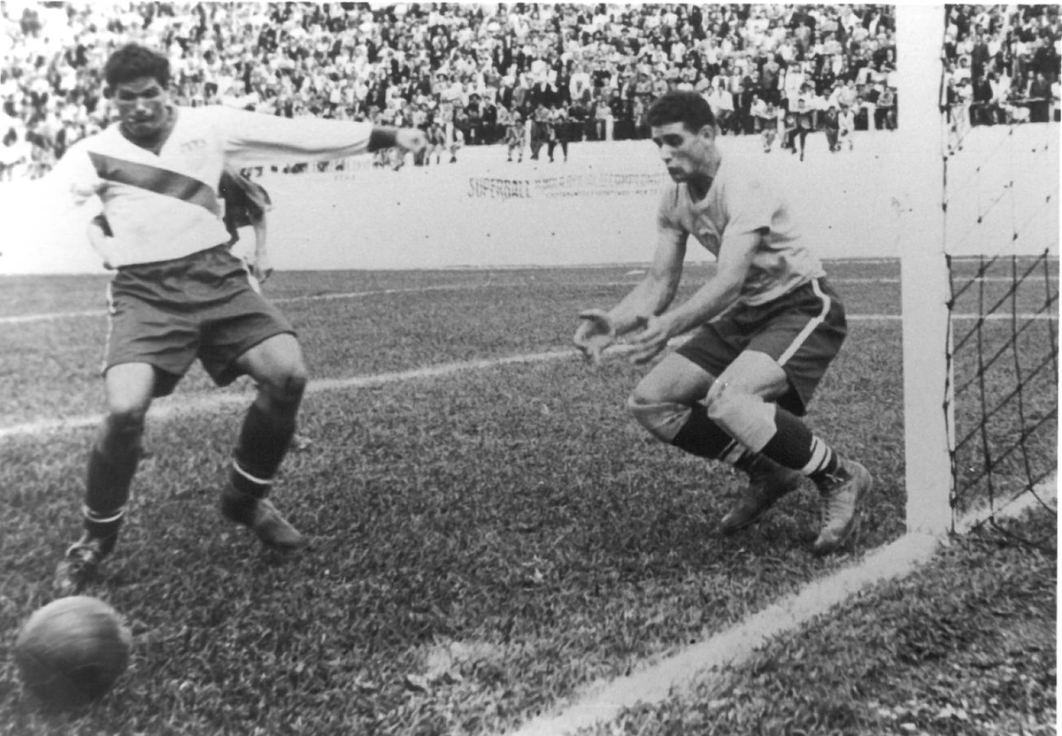
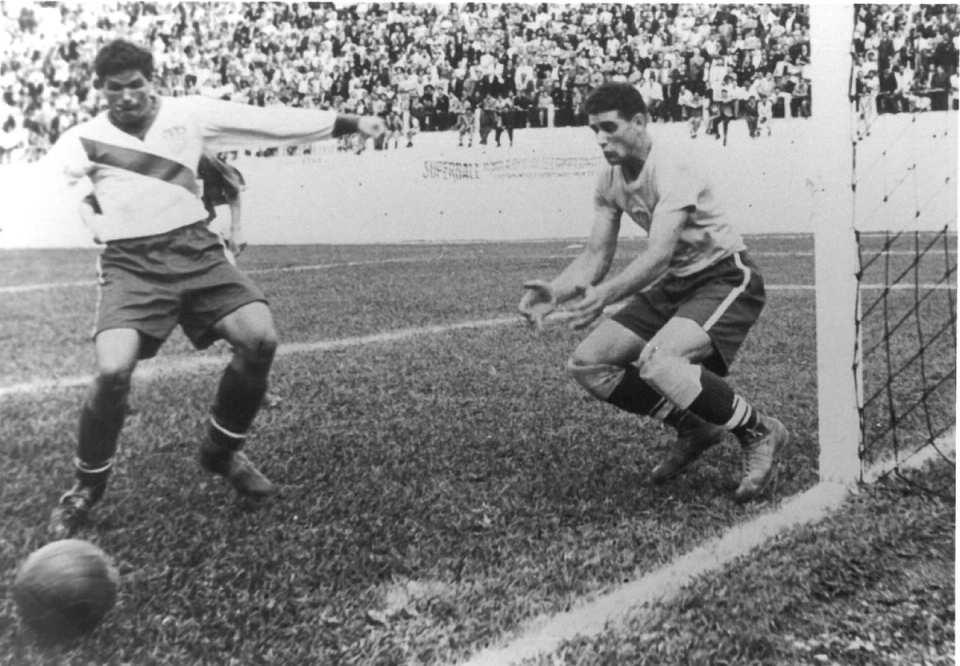
"The game had only been started about 10 minutes when we all realized these Americans were an infinitely better side than many thought possible,” England captain Billy Wright was quoted as saying.
The U.S. persevered.
Its first shot on goal came in the 25th minute.
England shrugged off the warning sign and continued to attack.
The game, and history, changed in the 37th minute.
Walther Bahr’s shot from 25 yards out. England’s Bert Williams moved to his right for the save.
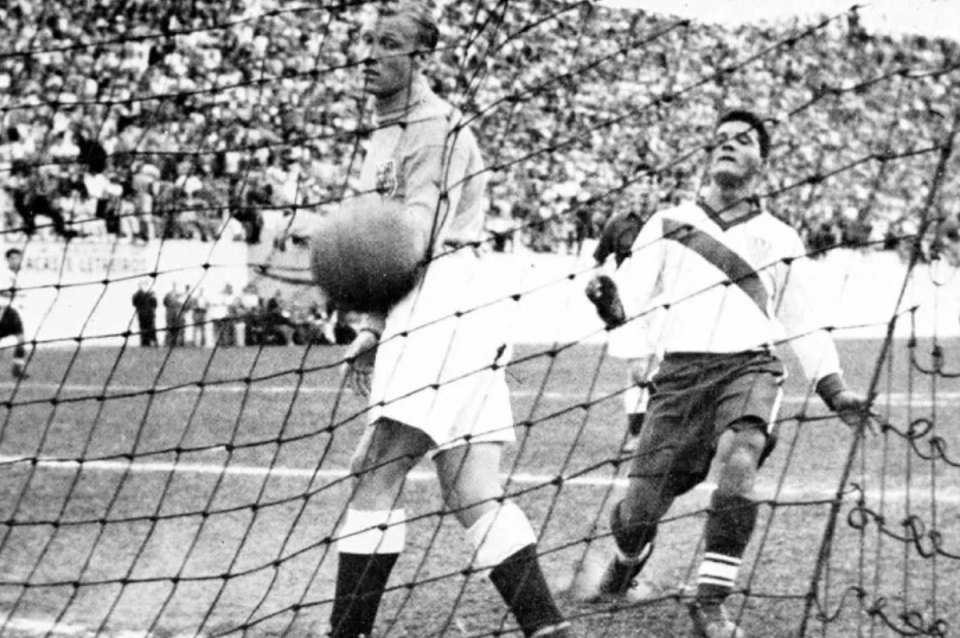
Gaetjens made a run that England defenders failed to track. Gaetjens dove toward Bahr’s shot and his glancing header beat Williams to give the U.S. a 1-0 lead.
It ended up being one of the most important goals in U.S. history.
England continued to attack, pressuring the U.S. In the final minutes, Borghi tipped away a Jimmy Mullen header that many of his teammates protested had crossed the line.
“There was some kind of impregnable, magical barrier there,” England defender Alf Ramsey was quoted as saying. “Even when we had an open goal, we couldn't put it in the net."
The U.S. XI, powered by spirit and an incredible collective effort, prevailed. The diving header from Gaetjens proved to be the heroic, game-winning goal.
“You hustle and you hold off a team for a while, but you usually don't hold off a team that is much better than you as long as we did - especially when we scored an early goal, relatively speaking,” U.S. defender Harry Keough was quoted as saying. “We would have been happy with a 2-0 loss. In our wildest dreams we didn't think we'd ever win. We just thought, 'We'll do the best we can and hope for a good result'."
Unlike today, soccer wasn’t a celebrated a sport in the U.S. Just one American journalist covered the 1950 World Cup.
The players returned to family celebrations.
After the World Cup, Gaetjens played briefly in France. Then, he returned home to Haiti under the dictatorship of François "Papa Doc" Duvalier, who ruled the country from 1957-1971. Gaetjens disappeared, and his life ended tragically.
But that one moment defined, his goal and the upset, lived forever. Gaetjens will be remembered as a hero. In Brazil, he showed the world you don’t have to be respected to be legendary. All it takes is one shot.
Imagine what would happen today should the U.S. defeat England, France, Spain, Brazil, Germany or Argentina to win the World Cup.
These are the stories that the U.S. is writing in its soccer history.
Doug Roberson is the owner and reporter for Soccer with Doug, a website focused on professional soccer in Atlanta. Doug has covered the sport in the city for the past 17 years. He also has the Soccer with Doug podcast.
Follow SoccerwithDoug on social media on X, Instagram, Facebook, Bluesky, YouTube