How Orlando Became a Major Soccer Hub
USMNT returns to Orlando, Fla., on Sep. 26 for matchup against Peru at Inter.co Stadium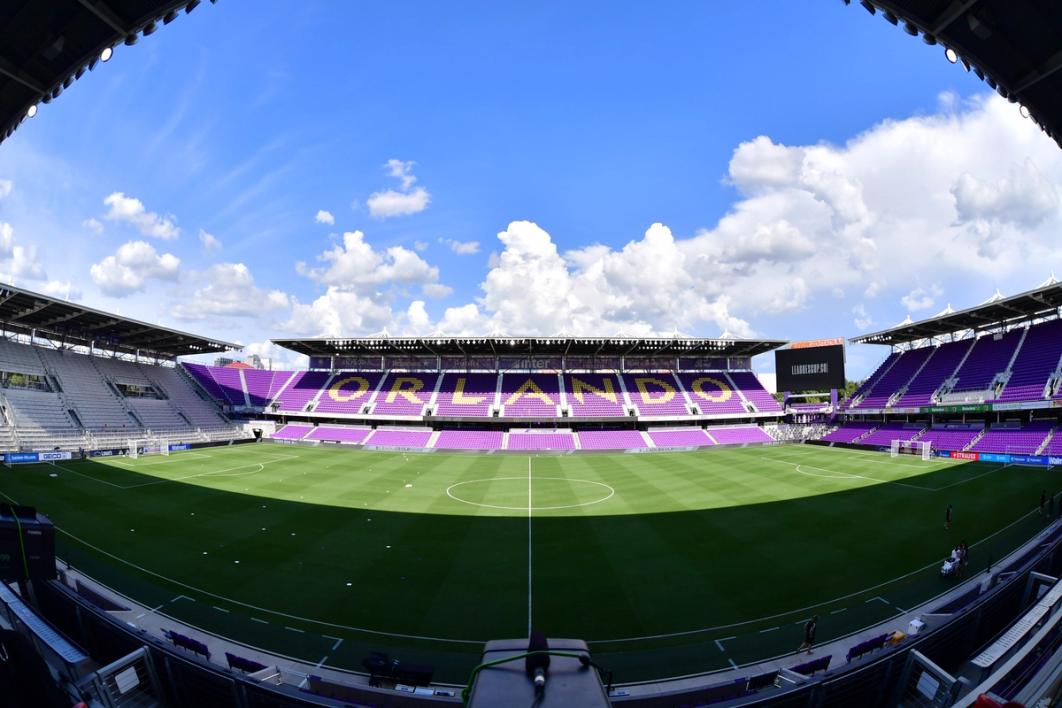
Long before brand-new stadiums and global superstars fueled the current soccer boom across the Southern United States, Central Florida was building a culture that helped make Orlando the original soccer home of the South.
While cities like Atlanta and Miami may dominate the conversation today, Orlando’s relationship with the sport stretches back decades. The U.S. Men’s National Team is set to return to the city later this month for a match against Peru, adding another chapter to the long-standing history of soccer in Orlando.
The roots of professional soccer in the city started in the mid-1980s, when pioneer Mark Dillon recognized the talent in the region and founded the Orlando Lions. Dillon, the former men’s soccer head coach at Rollins College in Winter Park, Fla., led the Lions as they played independently against international squads for two years before joining the reformed American Soccer League in 1988.
In the pre-MLS era, when soccer leagues came and went, the Lions competed in several leagues over the next few years, including the semi-professional United States Interregional Soccer League (USISL), where they finished as runners-up in 1993. Dillion also formed the Orlando Sundogs, who played one season in the USISL A-League.
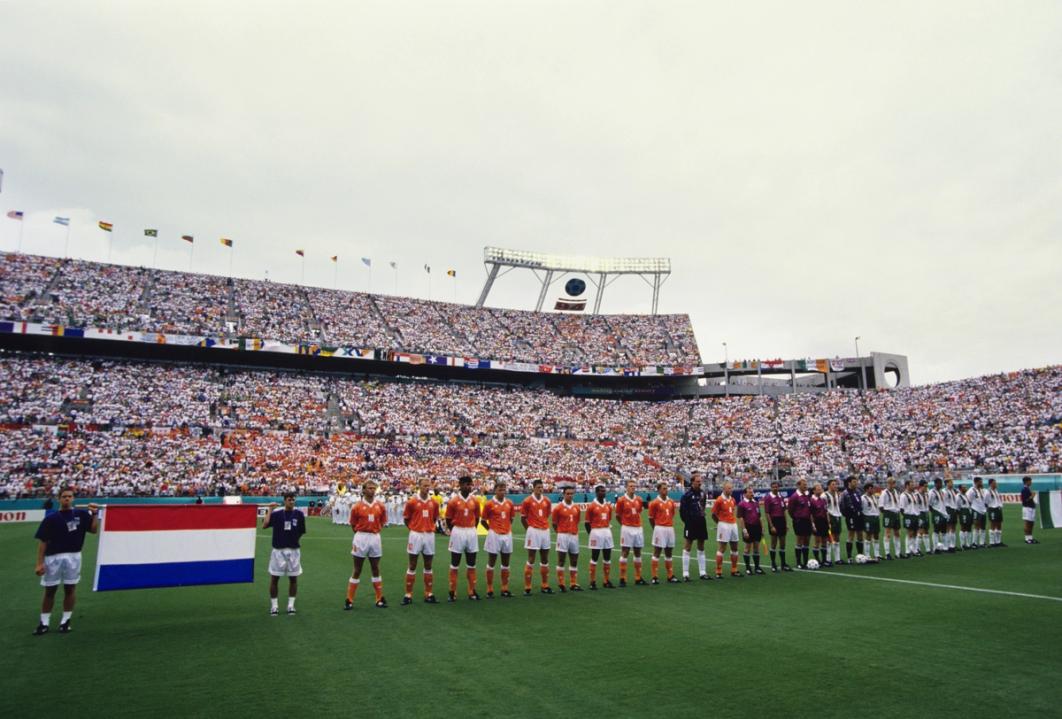
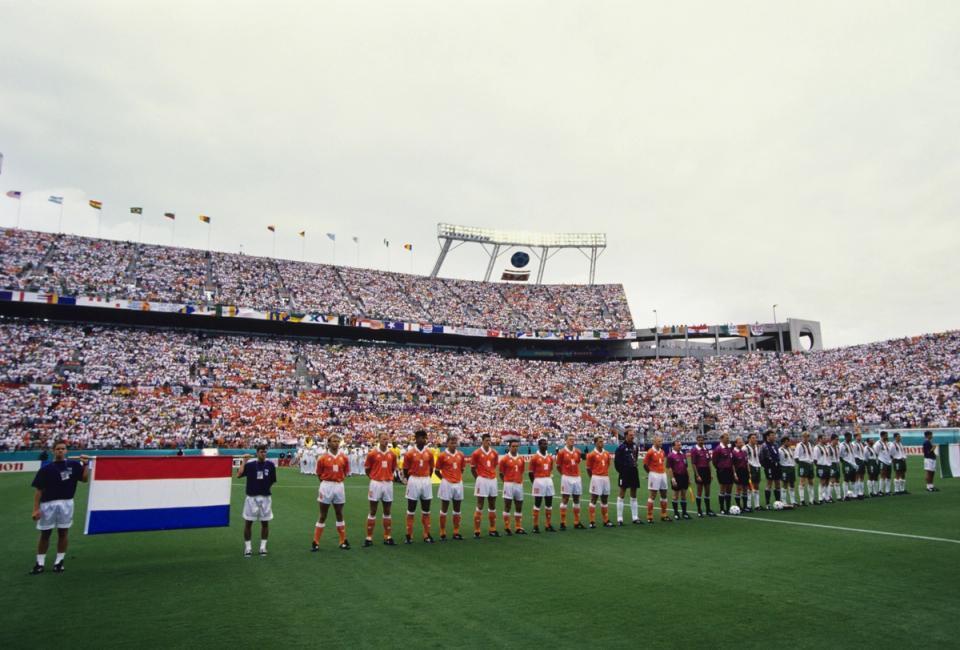
When the Lions were unable to join the newly established Major League Soccer, the club folded and professional soccer in Orlando went on hiatus for more than a decade. The passion for the game, however, never left. The Florida Citrus Bowl (now known as Camping World Stadium) hosted matches during the 1994 FIFA World Cup and 1996 Summer Olympics, as well as the 1998 MLS All-Star Game, keeping the cityconnected to some of soccer’s biggest stages.
Orlando fans were finally able to support a home team again in 2010. That fall, Phil Rawlins acquired the franchise rights to Orlando Pro Soccer and brought the club into USL Pro (now USL Championship). Orlando City SC was born and quickly established itself as a force, winning three Players’ Shields and two league championships in its first four seasons. That success ultimately paved the way for the club to become the 21st MLS franchise.
On March 8, 2015, the club hosted its first MLS game against fellow expansion side New York City FC in front of 62,510 fans at the Citrus Bowl. Later that year, Orlando added a professional women’s team to the city’s soccer landscape when the Orlando Pride joined the National Women’s Soccer League with U.S. Women’s National Team star Alex Morgan as its first signing. A record crowd of 23,403 attended the Pride’s first home match.
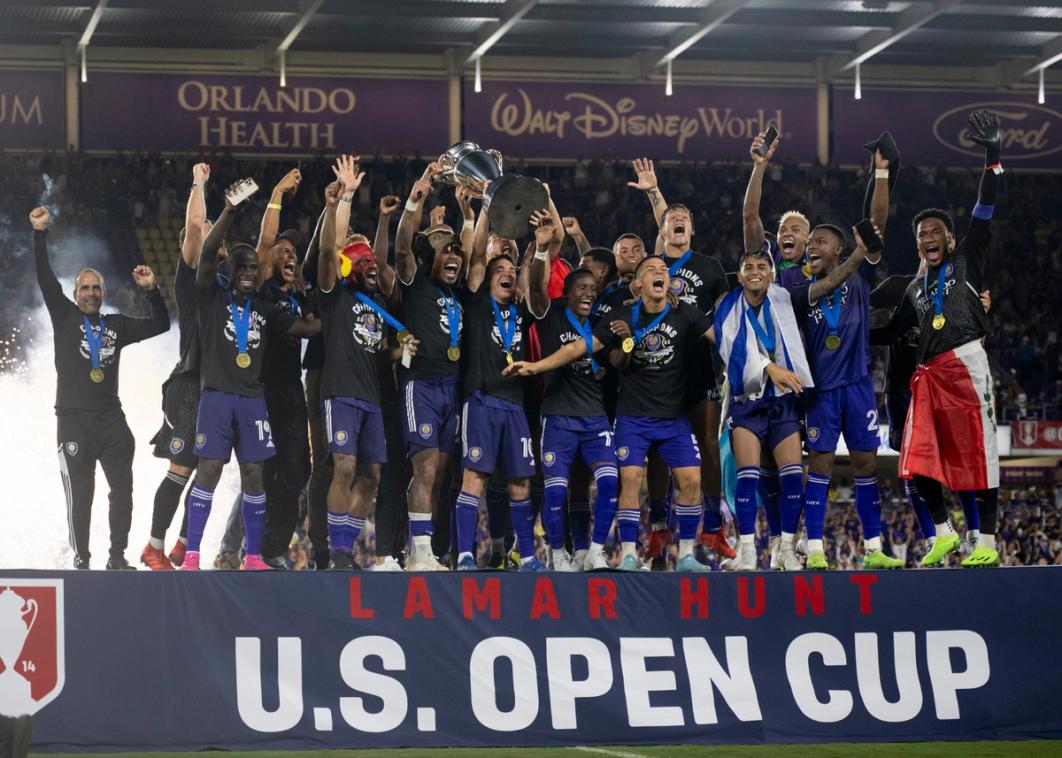
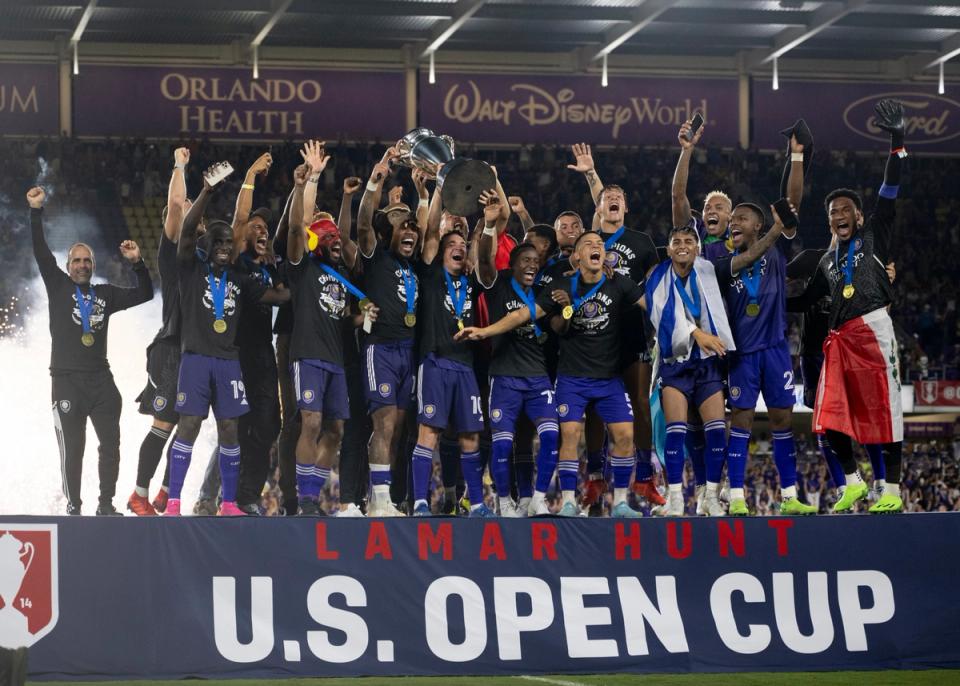
Over the next decade, both teams helped cement Orlando’s place among the country’s premier soccer cities. Orlando City has made six consecutive playoff appearances (2020-2025) and reached the Conference Final in 2024. The Lions won the Lamar Hunt U.S. Open Cup in 2022 and are two wins away from earning their second title this year. USMNT defender Alex Freeman – who had a breakout 2026 FIFA World Cup campaign – was a homegrown player for Orlando City and spent three seasons with the first team, earning MLS Young Player of the Year honors in 2025 and a nomination for the 2025 U.S. Soccer Male Player of the Year. Meanwhile, the Pride captured both the NWSL Shield and Championship in 2024.
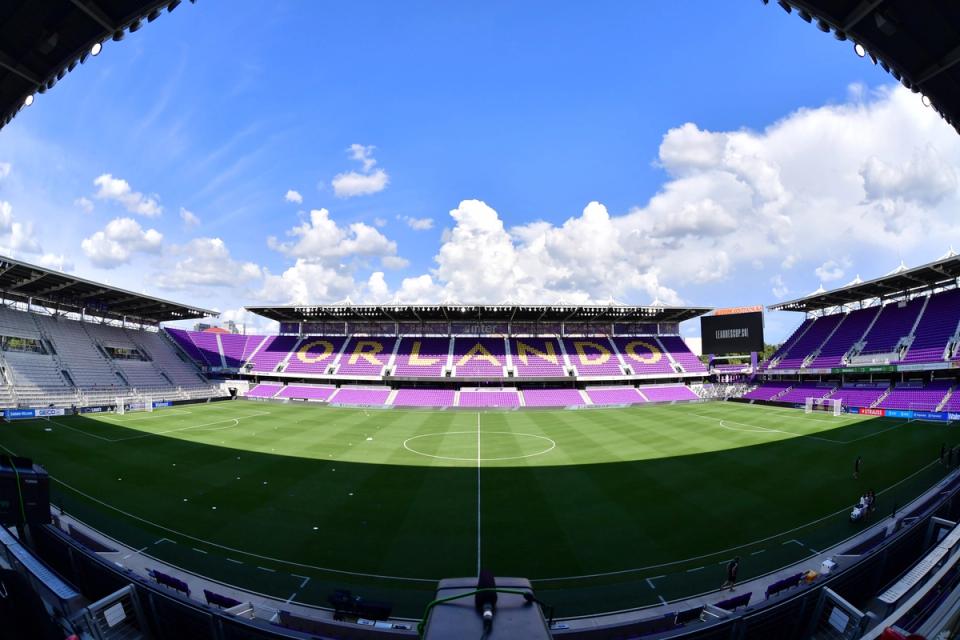
Soccer growth in the city further benefited with the opening of Inter.co Stadium in 2017. The 24,000-capacity soccer-specific venue has welcomed some of the biggest events in the sport from the Concacaf Gold Cup and FIFA Club World Cup to the NWSL Championship and NCAA Women’s College Cup Final. It has also become a regular home for the USMNT and USWNT, hosting the teams a combined 16 times with both sides winning in every appearance.
Mauricio Pochettino’s squad will look to earn its eighth-straight victory at the venue when the USMNT returns to Orlando on Sept. 26. As the team begins a new cycle, there may be no place more fitting to take the next step than one of the biggest soccer cities in the South.