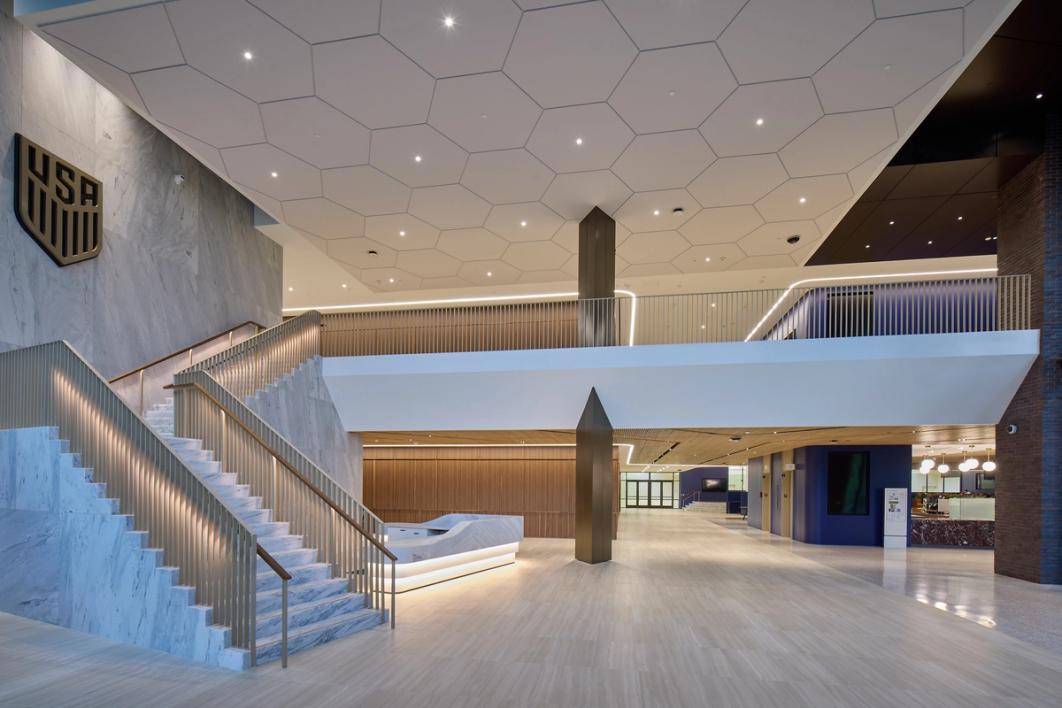
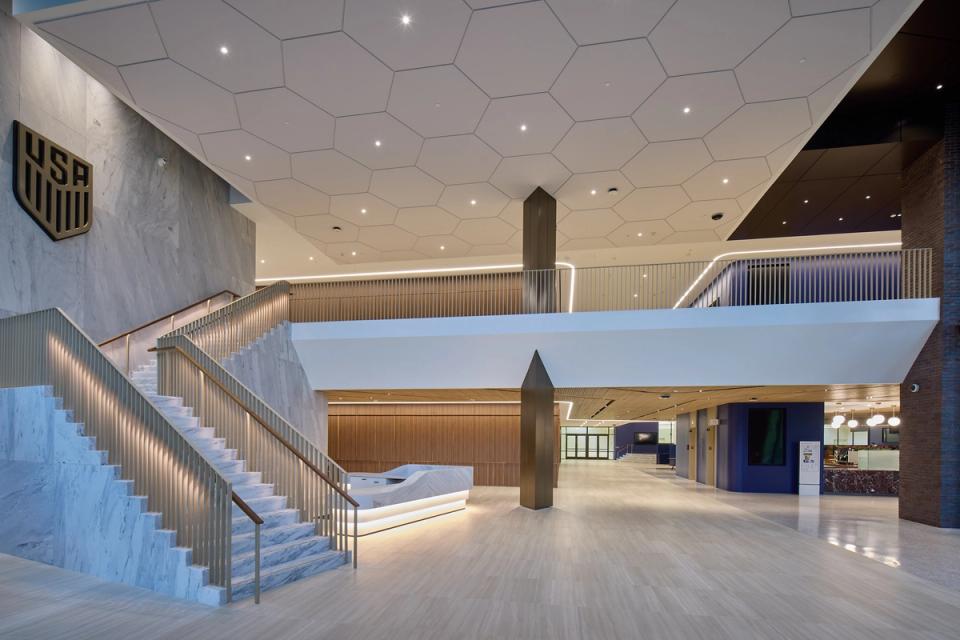
Behind The Numbers of the National Training Center, U.S. Soccer’s New Home
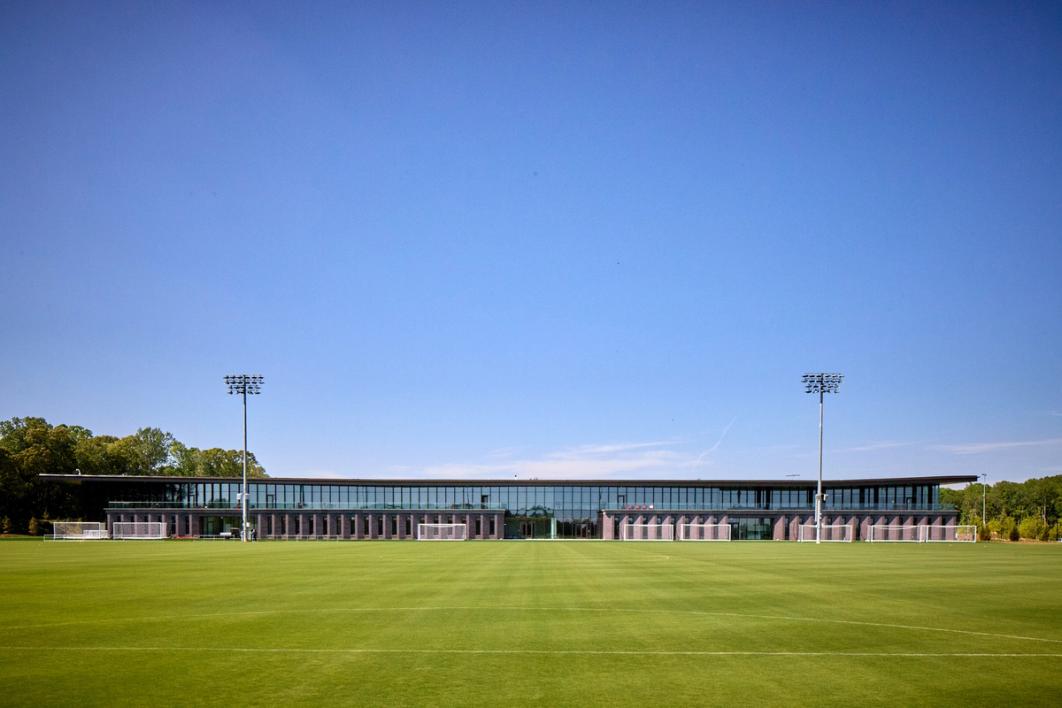
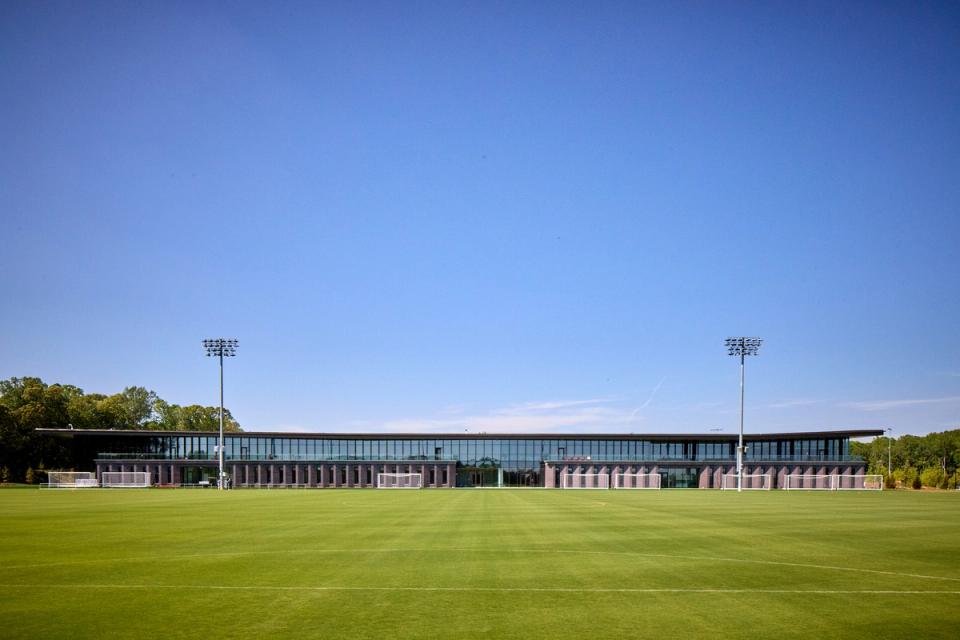
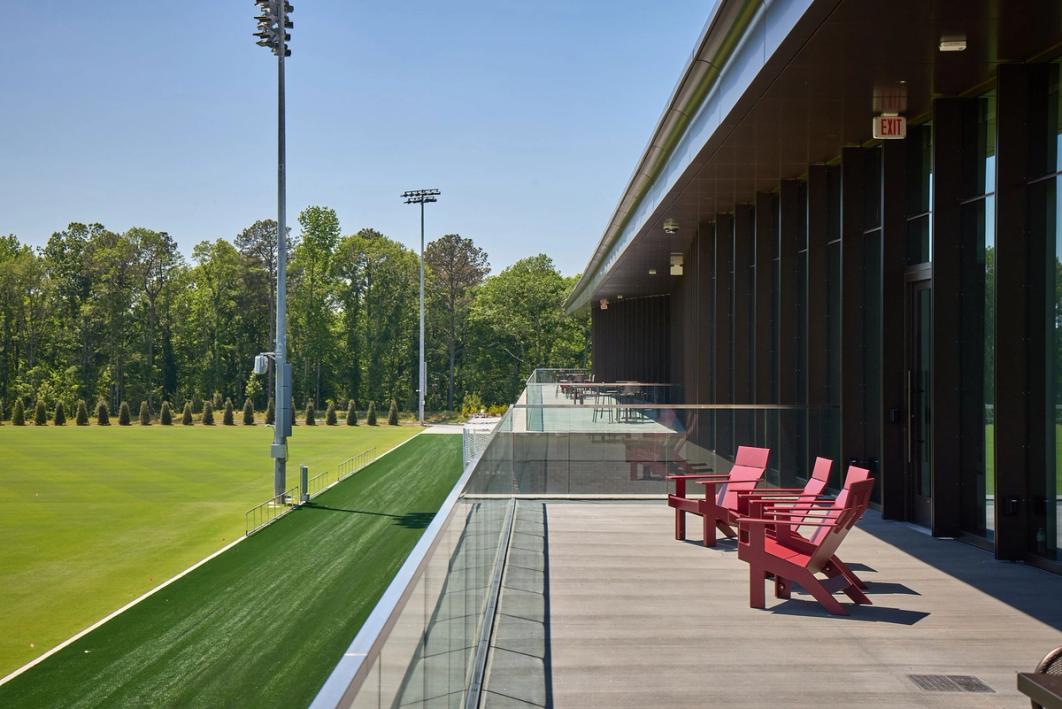
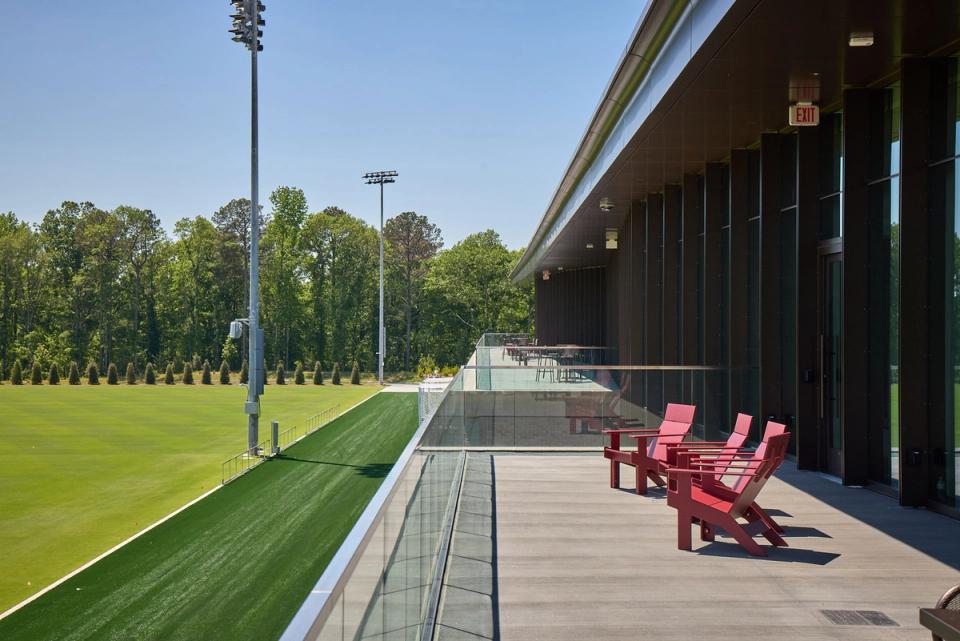
The Arthur M. Blank National Training Center features 17 outdoor playing surfaces and 13 regulation-sized natural grass fields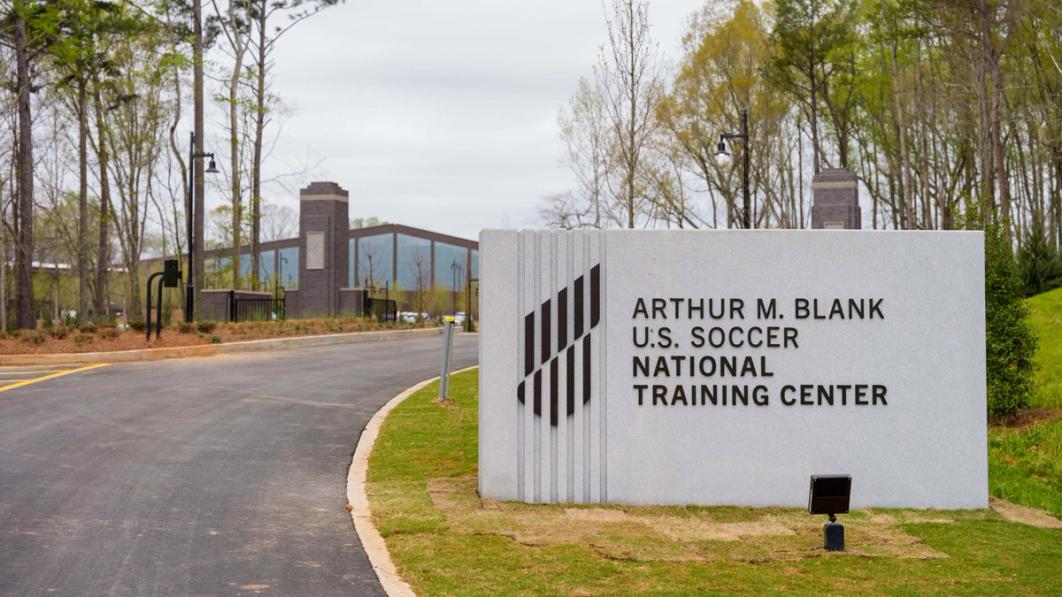
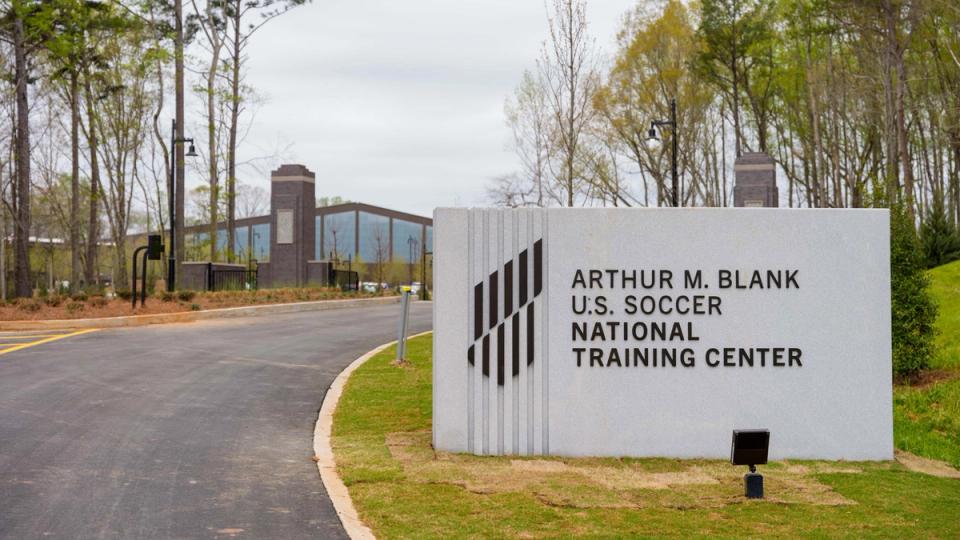
ATLANTA – The Arthur M. Blank National Training Center opens its doors today, and the new home for U.S. Soccer is a brilliant, innovative building that showcases the best in construction and design.
Brasfield & Gorrie, one of the country’s largest privately held construction firms, built the National Training Center, working closely with Gensler, the architecture firm that led the design. We spoke to senior project manager & general contractor Tommy Ellis to talk through some of the details of what it was like to build U.S. Soccer’s impressive new home from the ground up:
Breaking Down the Playing Surfaces for U.S. Soccer National Teams
The National Training Center sits on 123 acres of a 200-acre plot. Approximately 35 of the developed acreage consists of playing fields, equating to about 28 percent of the total land. The site consists of 19 playing surfaces – 17 outdoor and two indoor – and approximately 200,000 square feet of indoor space.
To handle the different scopes of the job, Brasfield & Gorrie strategically split staff into three teams: one worked on the outdoor spaces (the pitches, irrigation systems and landscaping), one handled ancillary buildings for development, groundskeeping and support, and the third focused on the National Training Center.
The process of working on so many elements at once turned into one of the most rewarding parts of the process.
“We like taking on challenges, and we like different product types throughout the job that allows us to learn new things and be experts in new things,” Ellis said. “To be able to get the breadth of knowledge from this project has been really fun.”
Part of the City in a Forest
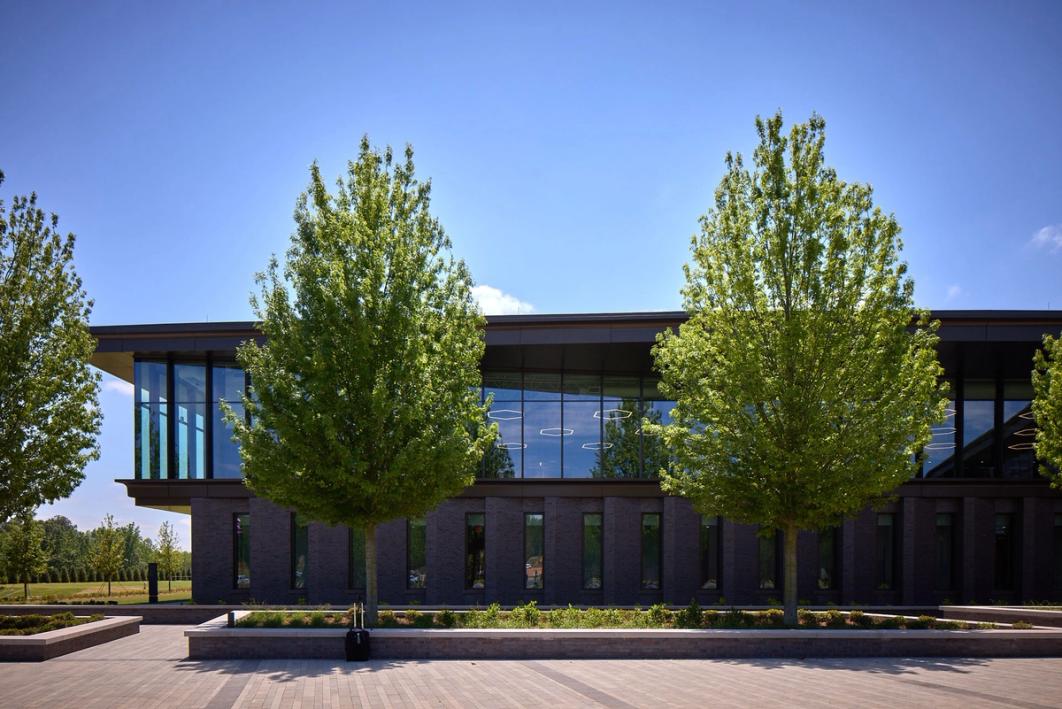
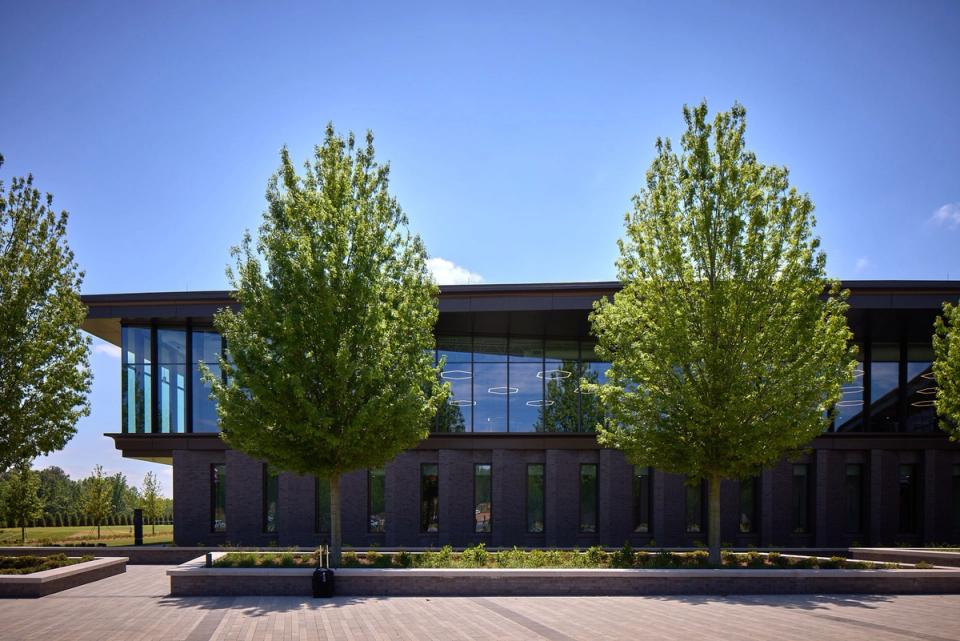
Atlanta is known as the “City in a Forest” because of its unique abundance of trees, and the National Training Center is no exception. The campus is beautiful and lush, with over 21,000 trees, plants and shrubs installed across the site. Planted in the fall of 2025, it took a great deal of planning to make sure that trees and shrubs went in at the right time.
“We knew that it was going to be a process and it was going to take time to get all this done, but we had the right season to get it done,” Ellis said. “Luckily, with the opening of your facility in early May, we had a good planting season to be able to make it work.”
Of course, the largest source of greenery on campus is the soccer fields. Putting down pitches means maintenance to keep the grass healthy, so Ellis and his team worked with the full-time crew at U.S. Soccer, including Director of Facility Operations Devin Hicks. Hicks and the groundskeepers collaborated with the contractors on how to treat the fields, how to seed the grass and where to dress it, explained Ellis:
“We worked closely with them, and ultimately, turned the fields over late last year so that you guys had five months of U.S. Soccer controlled maintenance to get the fields out of spring, so they're top-notch come where we're at now.”
A Six-Month Head Start
When U.S. Soccer announced on Dec. 7, 2023 that it selected Fayette County as the place for its new home, the timeline was straightforward: U.S. Soccer wanted the facility completed in time for the FIFA 2026 World Cup on home soil.
Less than three years to work meant the construction phase for Brasfield & Gorrie was more aggressive than the typical timeline for other facilities. Site work began 5-6 months earlier than other jobs which, for Ellis, mostly consisted of high-rise buildings.
“We were able to fast track the front end to get us going,” he said. “That was the biggest thing that worked is how can we get involved early and control this thing, get it started as fast as possible, and get them a product at the end, so that when rainy days happen or unforeseen events happen, we have time to recover and move on.”
A Cultural Fit
While U.S. Soccer will be headquarters for all 27 National Teams, it will also serve as the dedicated office space for more than 350 staff members at U.S. Soccer. Some companies might put staff in a different area than its sporting department – not at the National Training Center. Everyone is in one place, and everyone is working together – from marketing to finance to coaches to referees. At points, only a glass partition separates staff members from where the athletes train. With 19 meeting rooms, the National Training Center is built for comfortable collaboration.
“The culture is clear in the way you designed this facility,” Ellis said.
NIKE High Performance
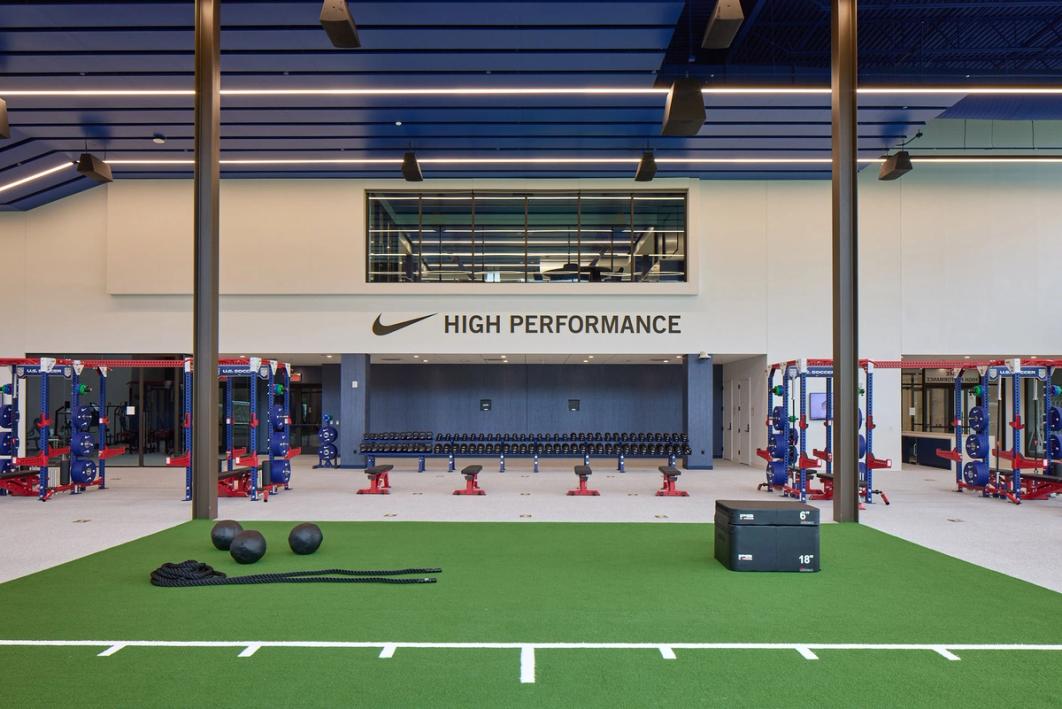
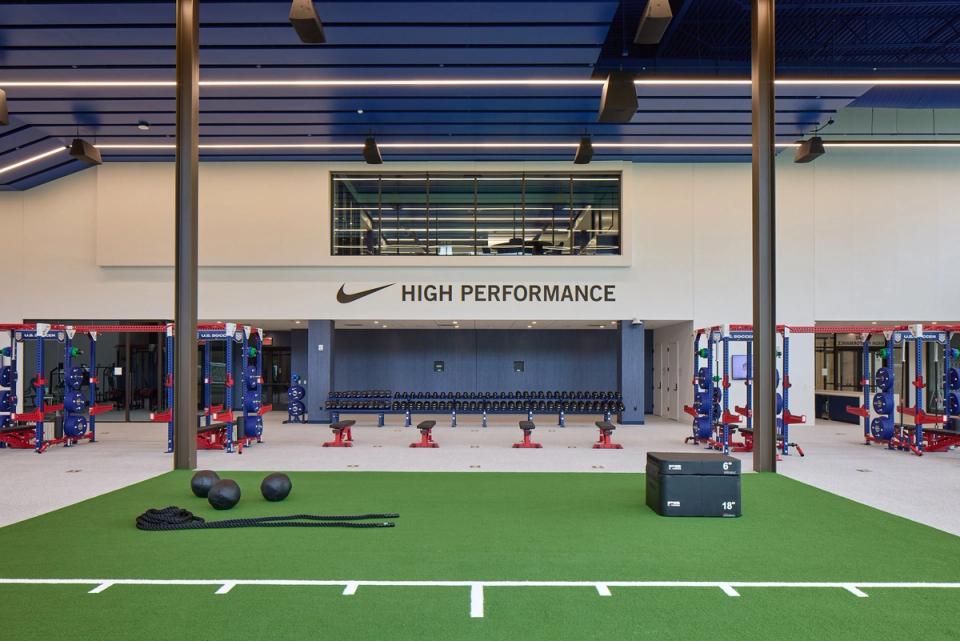
One of the highlights of the building is the performance gym on the first floor. That area, known as the NIKE High Performance gym, is a robust 10,000 square feet, comparable to about two full basketball courts and large enough to comfortably allow 30-60 people to train at the same time. The equipment, which features weights and cardio equipment, is built for high performance and where senior team players like Weston McKennie and Lindsey Heaps will work out. And one interesting fact: the flooring of the gym features recycled NIKE shoes.
“You walk in there and you want to start working out,” Ellis said. “It's a cool space.”
Brick by Brick
Approximately 4,000 custom bricks are on display in the grand entry, the Yazdani Family Plaza, on the north side of the walkway. Members, supporters and partners purchased the bricks to support the home for soccer in America – and you can pitch in your support, too. Bricks are still available to purchase.
Visit ussoccerbricks.com to learn more.
The Number of Hands Involved
The builders not only delivered the National Training Center on budget; they also delivered on time. Ellis estimated 50-60 Brasfield-Gorrie employees worked on the job. The team also hired subcontractors like electricians and plumbers. With a team of 60 designers from Gensler, numerous hands were involved in seeing the National Training Center come to life.
“We've had almost 2,000 people involved in the project from start to finish,” Ellis said. “That’s as early as your grader who came in and prepared all the site to the painters who were putting the finishing touches on it.
“It just was planned very well,” Ellis continued. “There's a lot of thought and effort that went into that, and it's fun to be a part of it and be able to execute.”
The project was a success, and U.S. Soccer planting roots in Atlanta is more than a dream – it's now a reality. Those who put in days, months, years of research and labor, who will now turn the keys over to the athletes, coaches, referees, and staff, will take the process with them as a fond memory and a proud accomplishment.
“Looking back on the last two and a half years, I would want to go do this process over again with you guys, with the design team, with everyone involved,” Ellis said. “I consider everyone I work with good friends at this point with how well we work together. It was super collaborative and a fun process… it was a good test case for the way I think projects should be handled, run and coordinated, and people working together. It was really fun.”