26 USMNT Moments, Past to Present: Reckoning After 2018 World Cup Qualifying
How the U.S. Men’s National Team reset and rebuilt after failing to qualify for the 2018 World Cup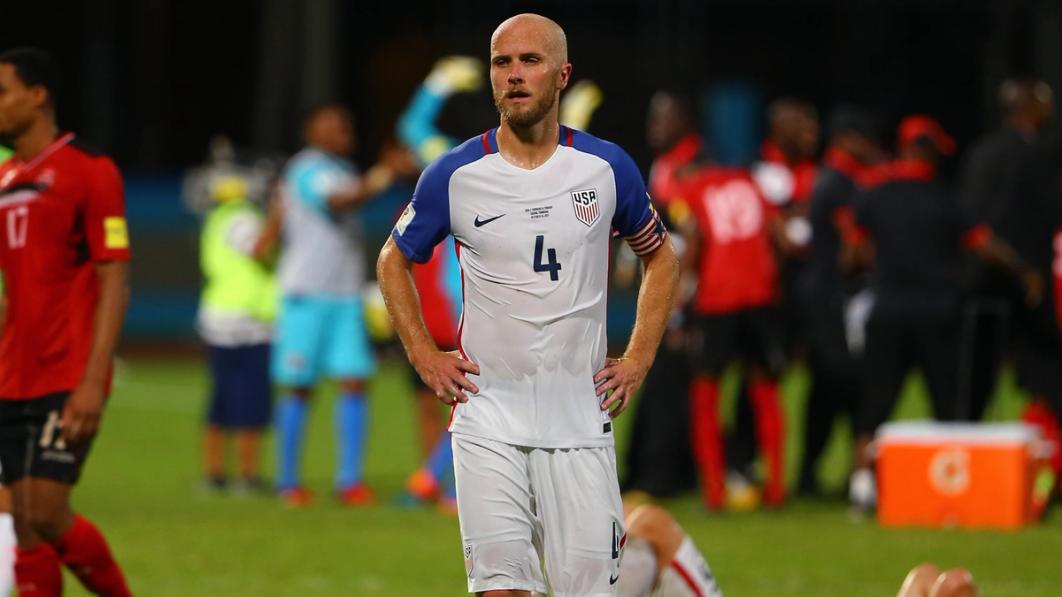
This is 26 USMNT Moments: Past to Present, a U.S. Soccer content series that covers 26 defining moments in U.S. Men's National Team history. From inspired victories to stunning goals, and the stars and hidden heroes who made them possible, each chapter reminds us that our dreams on the pitch are worth chasing. Together, they’ve built toward the biggest moment yet: the 2026 World Cup on home soil.
October 10, 2017.
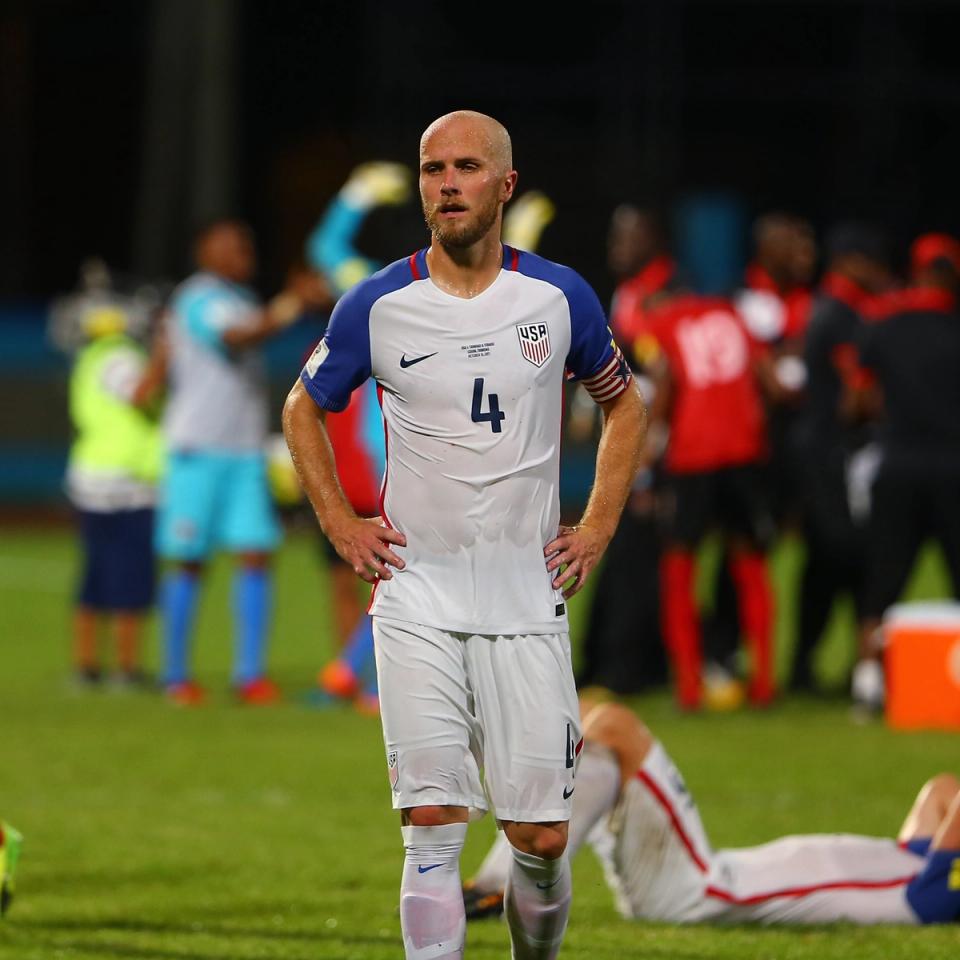
One of the most memorable dates in recent U.S. Men’s National Team history that many would like to forget.
Despite a less-than-stellar performance – three wins, three losses, three draws – in the final round of 2018 Concacaf World Cup qualifiers, the USA entered the final match in third place in the table and in prime position to secure an eighth-consecutive World Cup appearance.
The USMNT headed to Couva to face hosts Trinidad and Tobago, the only team in the Hexagonal to already be eliminated. A win or draw would clinch a berth more comfortably, but the Americans would still qualify even with a loss to the Trinidadians along with either a loss or a draw by both fourth-place Panama and fifth-place Honduras. According to ESPN’s Soccer Power Index, the United States had a 93 percent chance of qualifying.
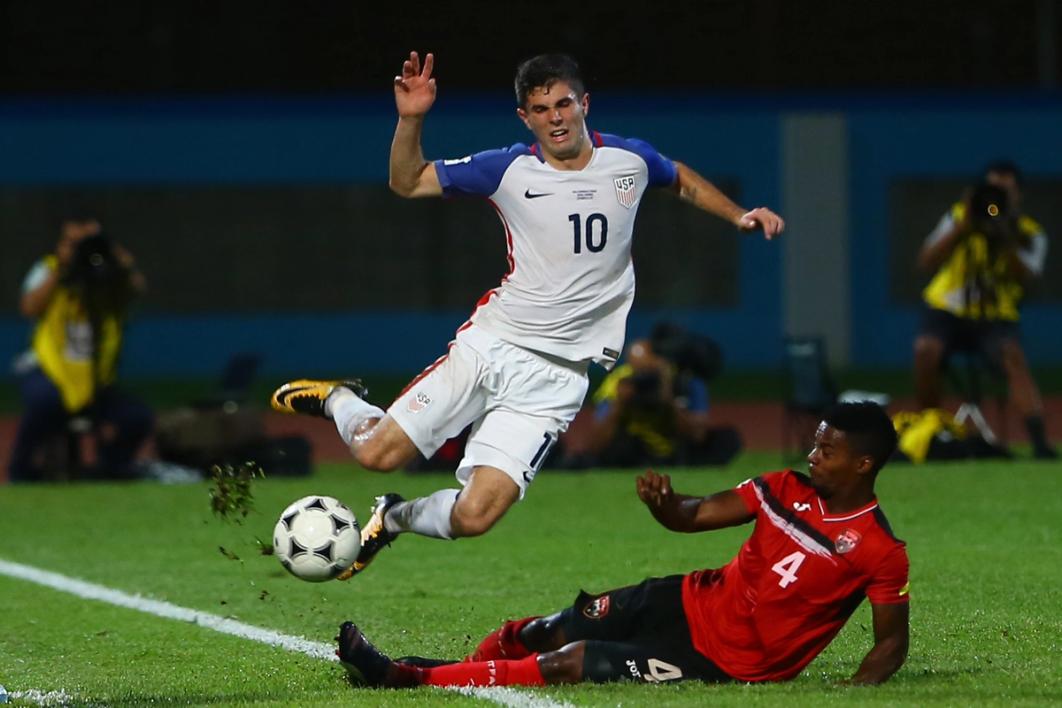
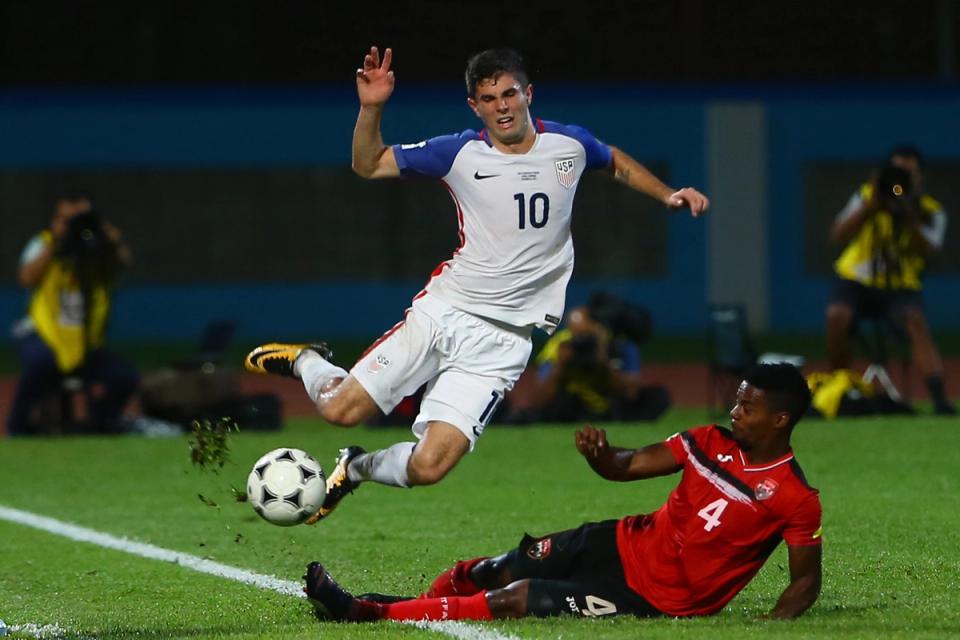
But then, in a nightmarish start, an own goal and a long-distance blast from Alvin Jones put the USA in a two-goal hole going into halftime. In the 47th minute, 19-year-old Christian Pulisic’s strike from beyond the penalty arc cut the deficit in half, but the USA couldn’t find an equalizer before the final whistle blew.
All the while, both Panama and Honduras came from behind to defeat Costa Rica and Mexico, the latter of which had gone unbeaten throughout the qualifying rounds, to leapfrog the USA in the final tournament standings.
It was official. For the first time since 1986, the World Cup would not feature the United States.
“This game, in my view, was perfectly positioned for the U.S. team, and we failed on the day,” U.S. head coach Bruce Arena said post-match. “We have no excuses. We failed today. We should have walked off this field with at least a point.”
Arena resigned from his position days later, accepting responsibility for what he called “a major setback” for the U.S. Men's National Team.
However, Arena remained optimistic about what was to come for the program.
“While this is a difficult moment, I maintain a fierce belief that we are heading in the right direction,” he added. “I believe in the American player and the American coach, and with our combined efforts, the future remains bright.”
It didn’t take long before U.S. Soccer fans were introduced to this new future. As legendary household names closed the chapter on their playing careers – Clint Dempsey, Tim Howard and DaMarcus Beasley – a new wave donned the crest.
On Nov. 14, 2017, just over a month after the loss to Trinidad and Tobago, the USA played reigning European champions Portugal to a 1-1 draw in Leiria. The opening goal came in the 21st minute by 19-year-old Weston McKennie in the midfielder's senior debut, becoming the third-youngest U.S. player to score in their first cap.
Also making his first international appearance in that match was 19-year-old Cameron Carter-Vickers and 18-year-old Tyler Adams. McKennie and Adams were the first two teenagers to start for the USMNT since 1988, while Carter-Vickers entered off the bench at halftime.
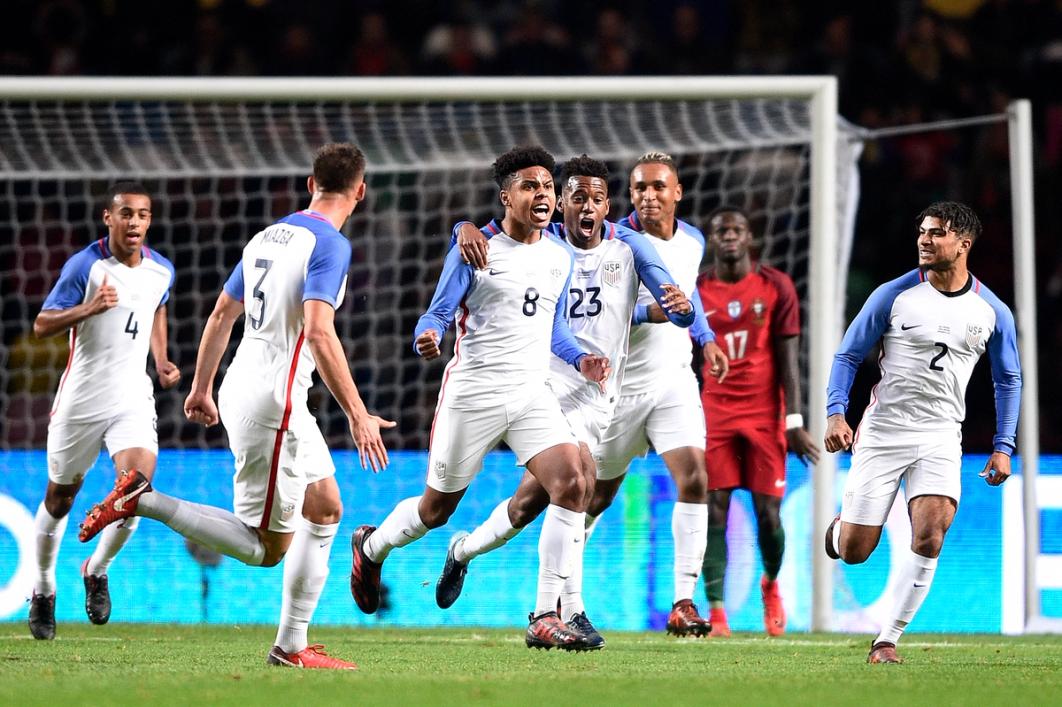
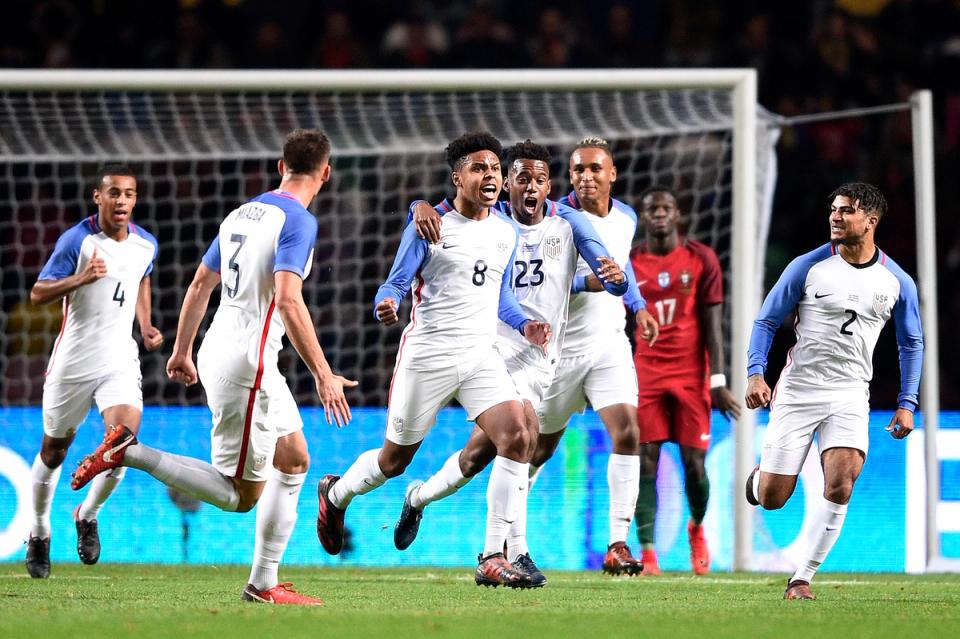
In March of 2018, forward Tim Weah made his international debut to become the first player born in 2000 to represent the senior national team. Within two months, he became the fourth-youngest goalscorer in USMNT history. The assist on Weah’s first goal came from defender Antonee Robinson, who was making his senior debut alongside forward Josh Sargent.
This young group was ushering in a new era of the USMNT. This squad was rebuilding the confidence lost from the match in October 2017.
On June 10, 2018, a USA roster averaging 22 years old and seven caps played a star-studded French side in Lyon to a 1-1 draw in the Les Bleus’ last match before the 2018 FIFA World Cup. A month later, they were lifting their second tournament title. In September, it was Adams finding the back of the net off another assist from Robinson to earn a 1-0 victory over long-time rival Mexico.
International results weren’t the only thing contributing to the rebuild. Around the country, MLS academies were producing and developing talent fresh talent for the U.S. Men’s National Team program.
While the loss to Trinidad and Tobago was heartbreaking, it led to a restart.
The failure brought along a new generation, a new identity and a new vision for the future of soccer in the United States. Much of the core representing the U.S. in the 2026 FIFA World Cup took its first steps in that moment.
De Turner is a Digital Content Coordinator for U.S. Soccer and previously covered women’s soccer at the United Soccer League (USL) and Atlanta United in Major League Soccer. De is an alum of the Grady College of Journalism and Mass Communications at the University of Georgia.