26 USMNT Moments, Past to Present: Breaking Through at Copa América
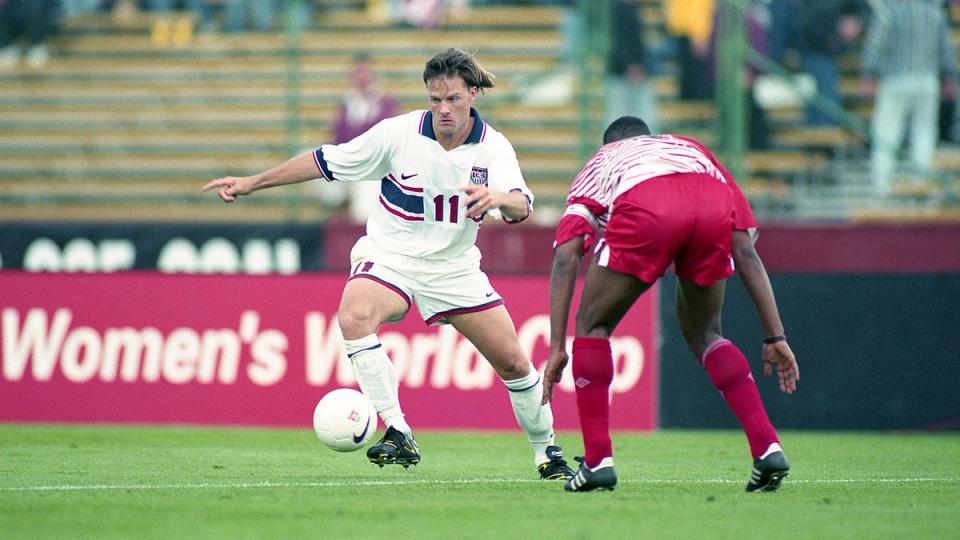
U.S. Men’s National Team defeated soccer giants Argentina and Diego Maradona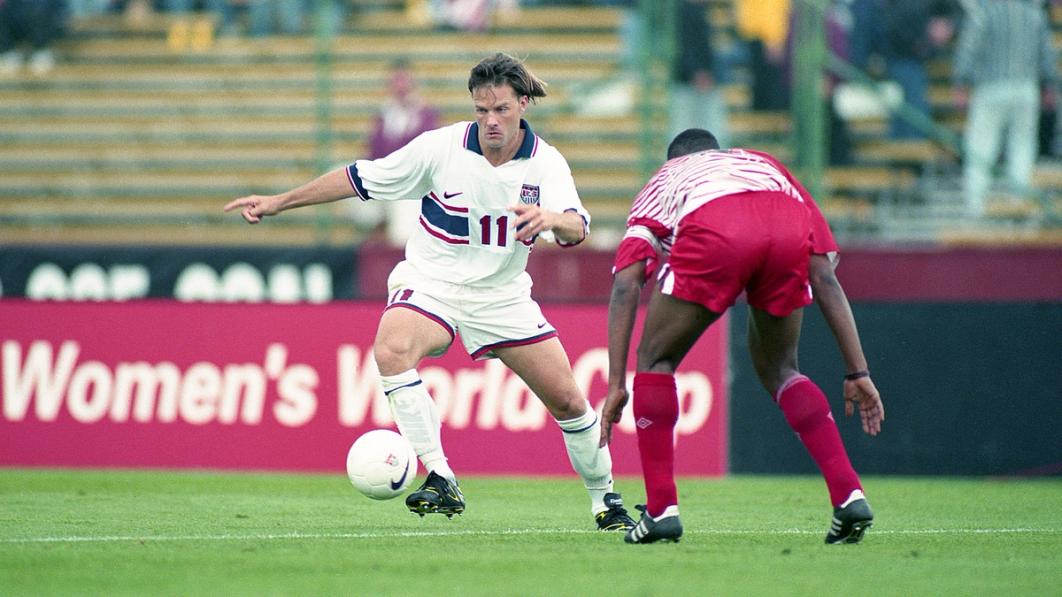
This is 26 USMNT Moments: Past to Present, a U.S. Soccer content series that covers 26 defining moments in U.S. Men's National Team history. From inspired victories to stunning goals, and the stars and hidden heroes who made them possible, each chapter reminds us that our dreams on the pitch are worth chasing. Together, they’ve built toward the biggest moment yet: the 2026 World Cup on home soil.
The U.S. once posted a victory that may or may not have made Diego Maradona cry.
The story has been told (and denied) but originated after the U.S. beat Argentina 3-0 in Uruguay during the 1995 Copa America tournament.
After the match, the great Maradona, who watched from a suite, either came to the U.S. locker room with tears in his eyes because he so admired the way the guests played, or he simply came to the tunnel and congratulated some of the players who spoke Spanish.
Whatever happened after, the U.S. did beat Argentina.
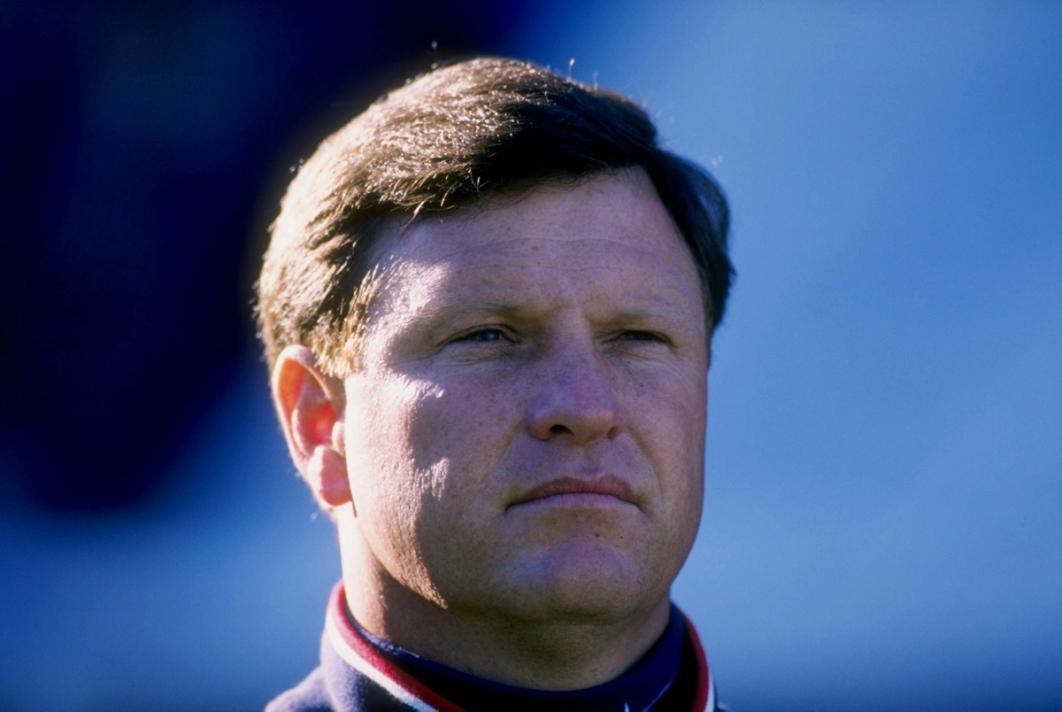
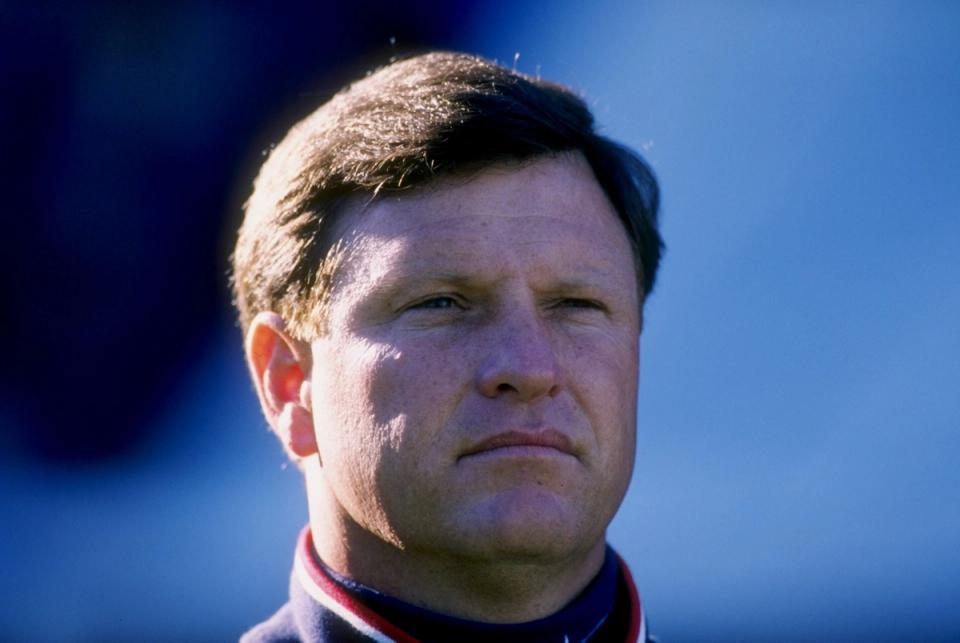
“It was a historic result,” then-coach Steve Sampson told The Athletic a few years ago. “It’s underappreciated, and I really believe that it deserves its place in history as one of the greatest accomplishments in the history of U.S. Soccer.”
The win was more impactful because the U.S. players, wanting more money after the success of the 1994 World Cup, came perilously close to being replaced by the Olympic team.
The matter was resolved while the players were in Uruguay. They demanded and negotiated the same pay across the board for all players.
The team held one or two training sessions at their camp in Paysandu, where the locals treated them like their own national team, and their tournament began.
The U.S., playing an aggressive 3-5-2, started by beating Chile 2-1 on a brace by Eric Wynalda.
Next came Bolivia, featuring the great Marco Etcheverry, who made an amazing run and scored, resulting in the U.S. losing 1-0.
The next and final group-stage match was Argentina. The U.S. needed to win to guarantee advancement to the knockout rounds. Argentina had already secured its place. A win would result in not facing Brazil in the next round. Argentina’s defense, featuring Javier Zanetti, was tough, having given up just one goal. Its attack was led by Gabriel Batistuta and Abel Balbo. Diego Simeone and Marcelo Gallardo patrolled the midfield.
Because Argentina’s spot in the next round was secured, manager Daniel Passarella rested several starters, including Balbo and Simeone.
That angered the U.S. players.
“You kind of thought to yourself that these guys think they're going to win easy anyway,” Marcelo Balboa told ESPN.
The U.S. took a 1-0 lead when Frank Klopas, 35 years old and in the twilight of his international career, put a shot past Argentina’s Carlo Bossio.
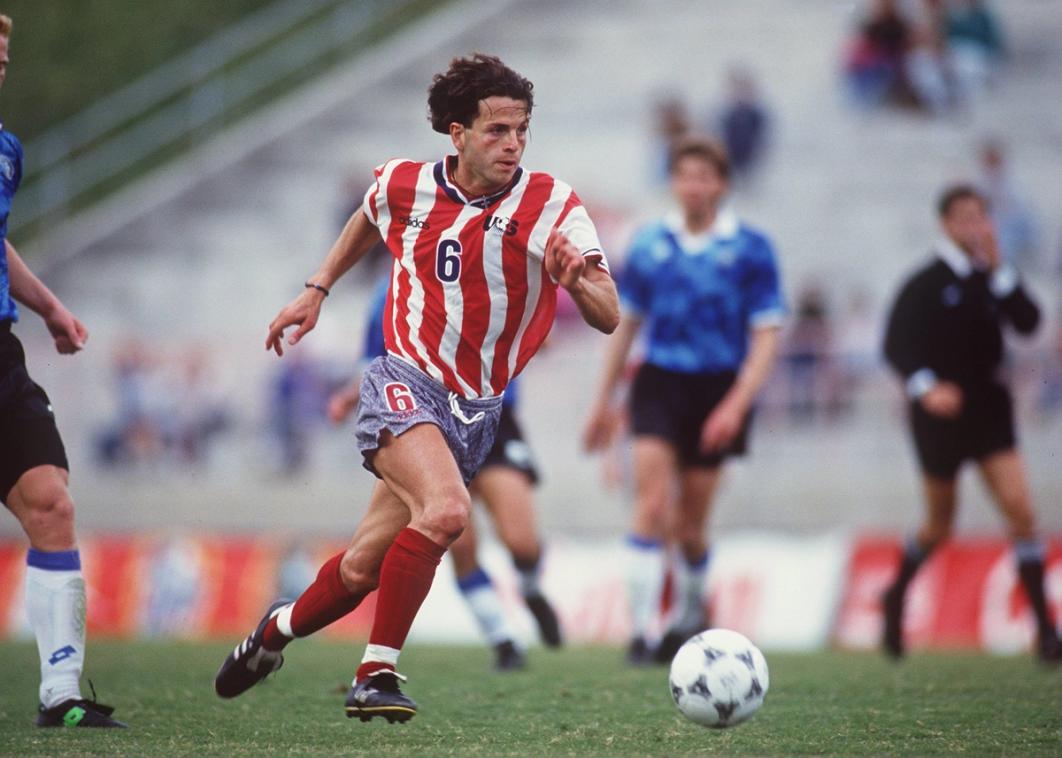
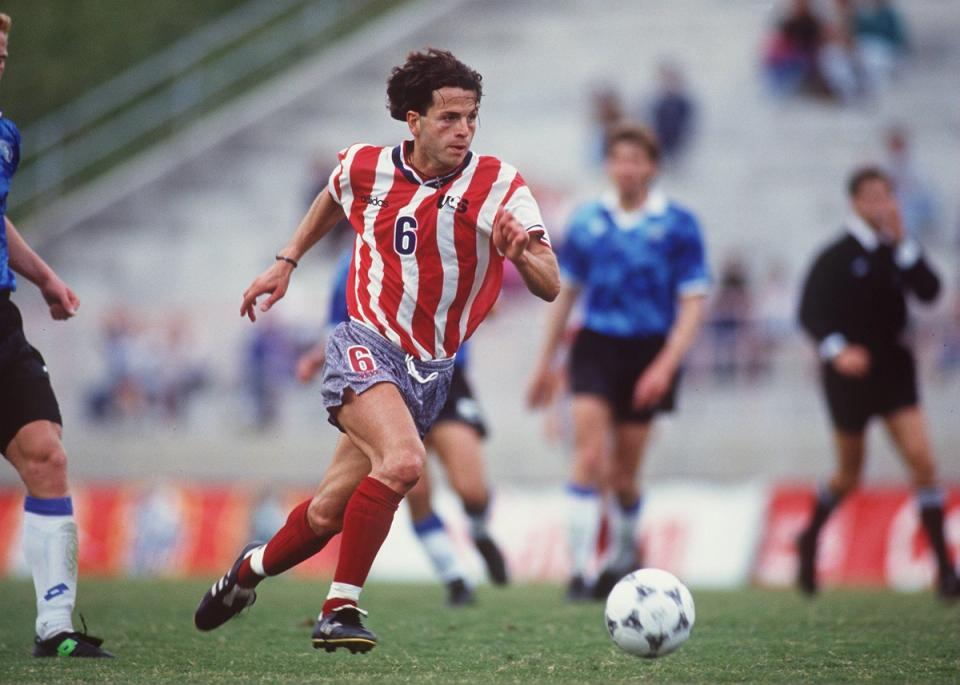
Paysandu, which sits just across the Uruguay River from Argentina, served as a great backdrop for the match. Uruguayans, who consider Argentina their biggest rival made sure they cheered for the United States and Argentinians, who only needed to cross the river, were stunned.
The U.S. took a 2-0 lead 11 minutes later when Lalas redirected a low cross from Cobi Jones on the right at the near post.
Halftime.
Tab Ramos realized that if the U.S. scored again and won 3-0, it would win the group, according to an article on mlssoccer.com.
That also dawned on Argentina. Simeone was subbed on.
Didn’t matter.
Wynalda played Joe Max-Moore into the box, before the forward slid in desperation to center the ball. Out of position, Bossio misjudged the ball as it trickled through the box and Wynalda alertly slid through the box to push the third goal home.
This is when the story gets murky and facts have probably been polished into fables.
ESPN wrote Wynalda said, “Maradona had tears in his eyes and we were told he said, ‘I'm not crying because Argentina lost, I'm crying because it was so beautiful to see the Americans play so well.’
Mike Sorber, in the same article, said, “(Maradona) didn't come in the locker room. He was in the area outside the locker rooms, down in the tunnel. There was a whole entourage with him. Different guys -- mostly the guys who could speak Spanish -- went up and said hello.”
In The Athletic story, Joe Max-Moore shared a photograph taken of Maradona after the match.
Whatever happened, it was still a flattering moment.
But the U.S. wasn’t done.
Next was Mexico in the quarterfinals. The match finished 0-0 in regulation.
Goalkeeper Brad Friedel went to work in the shootout.
“Friedel took the opportunity to intimidate,” Wynalda told ESPN. “He reached up and pulled the crossbar, and it was wobbling over his head. He was standing small and keeping his arms in tucked. Then when the shooter would put the ball down and back up and look at the goal, Brad just spread out his arms. I remember one of us saying, ‘He's covering the whole damn goal.’”
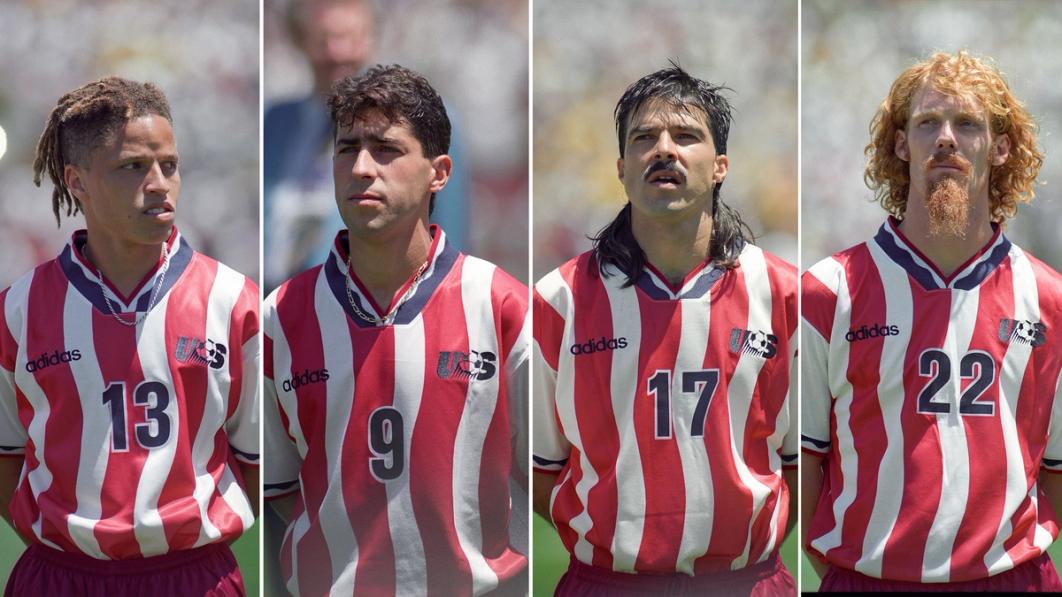
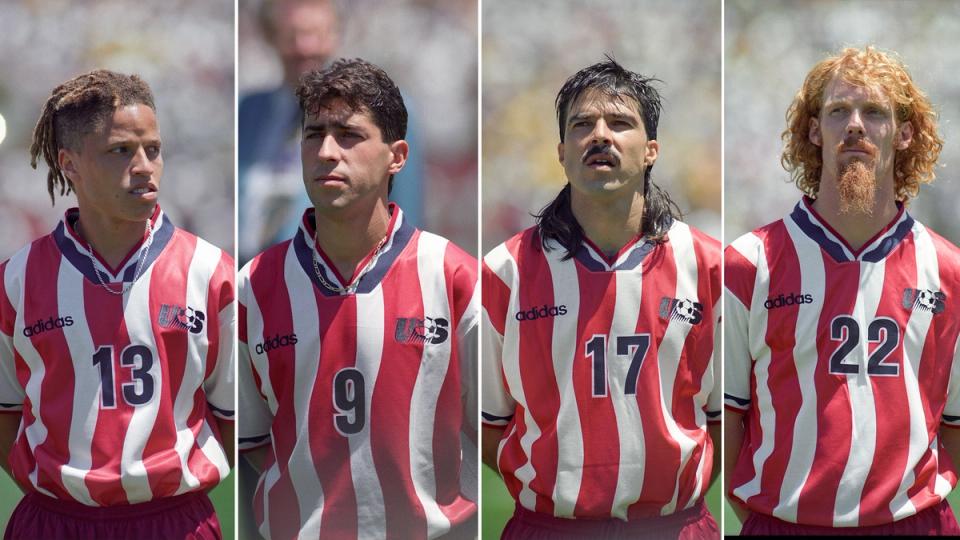
Friedel stopped two PKs. The U.S. made its first four ending the shootout early and advancing to advance to face Brazil in the semifinals, something the USA also did on Uruguayan soil during the inaugural FIFA World Cup in 1930.
Just as in the World Cup the year before, the U.S. couldn’t get past Brazil, again losing 1-0.
“We rolled headfirst into reality that this wasn't a team that was going to take us lightly, this wasn't a team that we thought we were on par with, as opposed to a Mexico or something like that,” Lalas told ESPN. “I think that if you look at the game, yes we had our opportunities and I think we played them better than we had in the past. But there was still an ultimate gap between the two. We were done with having moral victories. ‘There is no shame ...’ No. We were disappointed that this run had come to an end.”
A few days later, the team fell 4-1 to Colombia in the Third-Place Match, finishing fourth overall, but holding their heads high after an impressive run. One where there was nothing to cry about.
Doug Roberson is the owner and reporter for Soccer with Doug, a website focused on professional soccer in Atlanta. Doug has covered the sport in the city for the past 17 years. He also has the Soccer with Doug podcast.
Follow SoccerwithDoug on social media on X, Instagram, Facebook, Bluesky, YouTube